



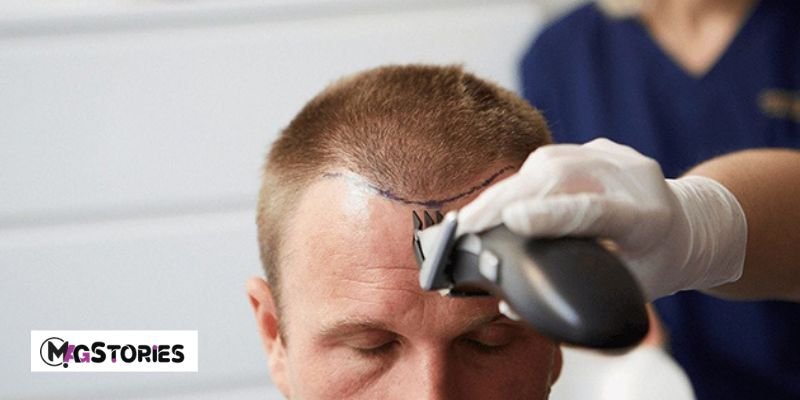
Hair loss affects people of all ages and genders, and for many, it can take a real toll on confidence and self-image. While there are numerous treatments available today, surgical hair restoration has become one of the most reliable, long-term solutions for those dealing with significant thinning or baldness. Many patients begin their journey by consulting a multispecialty clinic, where dermatologists and hair restoration experts can evaluate the underlying cause before recommending the right course of treatment. This guide breaks down what causes hair loss, how surgical options work, and what to expect from the process.
What Causes Hair Loss?
Hair loss can stem from a variety of factors, including genetics, hormonal changes, stress, nutritional deficiencies, and underlying medical conditions like thyroid disorders. Male and female pattern baldness, medically known as androgenetic alopecia, is the most common cause and typically follows a predictable pattern of thinning over time. Other causes include alopecia areata, traction alopecia from tight hairstyles, and temporary shedding triggered by illness or major life stress.
Exploring Surgical Options for Hair Restoration
For individuals with progressive or permanent hair loss, non-surgical treatments like topical solutions or medications don’t always deliver the desired results. In such cases, a Hair Transplant procedure offers a more permanent solution by relocating healthy hair follicles from a donor area to thinning or bald regions. These procedures are often performed by a skilled Plastic Surgeon with specialized training in cosmetic and reconstructive techniques, ensuring precision in graft placement. This type of procedure has advanced significantly over the years, with modern techniques producing far more natural-looking results than older methods. Many patients are surprised to learn that a qualified Plastic Surgeon is often the specialist performing these procedures, given the aesthetic precision and artistry involved in achieving a natural hairline.
Types of Hair Transplant Techniques
There are two primary techniques used in modern hair restoration. Follicular Unit Transplantation (FUT) involves removing a strip of scalp tissue and separating it into individual follicular grafts, while Follicular Unit Extraction (FUE) involves extracting individual hair follicles directly from the donor area, leaving minimal scarring. Both approaches aim to achieve natural hair growth patterns, and the right choice often depends on the extent of hair loss, scalp condition, and the patient’s aesthetic goals.
Is It Considered a Major Procedure?
Many patients are surprised to learn that despite being a surgical procedure, hair restoration is typically far less invasive than what people imagine when they hear the term head surgery. It’s usually performed under local anesthesia on an outpatient basis, meaning patients can return home the same day. Recovery is generally quicker than other surgical procedures, with most people resuming normal activities within a few days to a week, depending on the technique used.
What to Expect During Recovery
After a Hair Transplant, mild redness, swelling, or scabbing around the transplanted area is common and typically resolves within one to two weeks. Transplanted hair often sheds within the first month, which can be alarming but is a normal part of the process — new growth usually begins within three to four months, with fuller results becoming visible over the following year. Following post-procedure care instructions closely helps ensure the best possible outcome. Patients recovering from the procedure benefit from having access to a multispecialty clinic, where dermatologists and general physicians can quickly address any unexpected side effects without the need to switch providers.
Choosing the Right Specialist and Facility
Because hair restoration involves precision and artistry, choosing an experienced surgeon matters significantly. Look for a board-certified Plastic Surgeon with a strong portfolio of before-and-after results, transparent consultation practices, and a facility equipped to handle any procedure safely, including situations that may require broader head surgery expertise if complications arise. A qualified team will also assess your candidacy honestly, rather than promising unrealistic results. It’s often worth choosing a well-established multispecialty clinic, since these facilities typically offer access to dermatology, anesthesia, and emergency support alongside the core surgical team, adding an extra layer of safety to the entire process.
Frequently Asked Questions
Is a hair transplant permanent?
Yes, transplanted hair follicles are typically resistant to the hormone that causes pattern baldness, meaning the results are generally long-lasting and permanent for most patients.
How long does a hair transplant procedure take?
Depending on the extent of the area being treated and the technique used, a session can take anywhere from four to eight hours, sometimes spread across more than one day for larger areas.
Does a hair transplant hurt?
The procedure is performed under local anesthesia, so patients typically feel minimal discomfort during the surgery. Mild soreness or tightness afterward is normal and manageable with prescribed care.
At what age can someone get a hair transplant?
Most surgeons recommend waiting until hair loss has stabilized, typically in the mid-20s or later, to ensure the transplant plan accounts for future thinning patterns.
Are the results of a hair transplant natural-looking?
With modern techniques like FUE and careful graft placement, results are designed to mimic natural hair growth direction and density, making them difficult to distinguish from natural hair.
Can women undergo hair transplant surgery?
Yes, hair transplants aren’t limited to men. Women experiencing pattern hair loss or thinning due to other causes can also be good candidates, depending on individual evaluation.
Is there any risk of complications with hair restoration procedures?
As with any surgical procedure, there’s a small risk of infection, scarring, or uneven growth, which is why choosing an experienced, well-equipped provider significantly reduces these risks.
Final Thoughts
Hair loss can be an emotional experience, but modern surgical solutions have made restoring a natural, confident look more achievable than ever. Understanding the causes, the available techniques, and what recovery involves can help patients make informed decisions and set realistic expectations for their results.
Written by
MagStories Editorial Team
UK News, Celebrity, Technology, Sport & Lifestyle
View all articles by the team →