



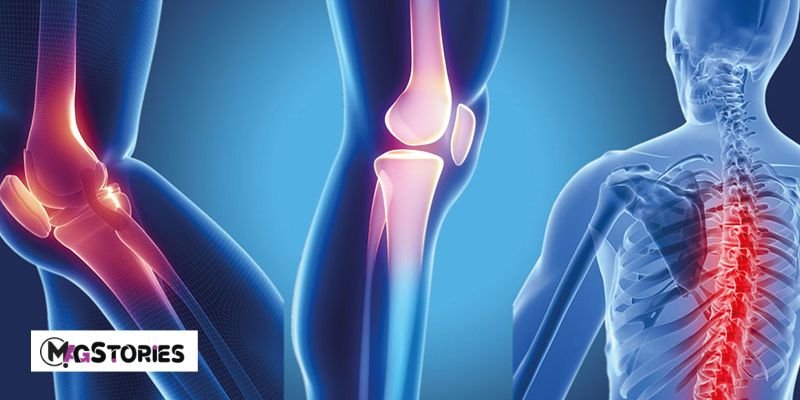
Joint and bone health plays a bigger role in daily life than most people realize until an injury, chronic pain, or age-related wear starts limiting movement. Whether it’s a sports injury, arthritis, or a torn ligament, orthopedic conditions can significantly affect quality of life. Fortunately, advances in surgical techniques, particularly minimally invasive procedures, have made treatment faster, safer, and far less disruptive than in years past. This guide covers the essentials of orthopedic care and what patients should know before seeking treatment.
Common Orthopedic Conditions
Orthopedic issues span a wide range, from acute injuries like fractures, sprains, and ligament tears to chronic conditions such as osteoarthritis, rheumatoid arthritis, and degenerative disc disease. Athletes commonly experience issues like ACL tears, rotator cuff injuries, and meniscus damage, while older adults more often deal with joint degeneration affecting the knees, hips, and shoulders. Persistent pain, swelling, stiffness, or reduced range of motion are all signs that warrant professional evaluation.
What Is Arthroscopic Surgery?
Arthroscopy is a minimally invasive surgical technique used to diagnose and treat joint problems using a small camera and specialized instruments inserted through tiny incisions. An experienced Arthroscopic Surgeon can repair torn ligaments, remove damaged cartilage, or address joint inflammation without the need for large incisions required in traditional open surgery. This approach typically results in less pain, reduced scarring, and considerably faster recovery times compared to conventional surgical methods.
Benefits of Minimally Invasive Techniques
Because arthroscopic procedures involve smaller incisions, patients generally experience less post-operative pain and a lower risk of infection. Hospital stays are often shorter, sometimes allowing same-day discharge, and many patients can begin physical therapy sooner than they would after open surgery. This makes arthroscopy a preferred option for many joint conditions, particularly among younger, active patients looking to return to their routines quickly.
When to Consider Orthopedic Surgery
Not every joint issue requires surgical intervention; many conditions respond well to physical therapy, medication, or lifestyle changes. However, when conservative treatments fail to relieve pain or restore function, surgery may become the most effective path forward. Consulting the Best Orthopedic Surgeon available to you ensures a thorough evaluation, accurate imaging-based diagnosis, and a treatment plan tailored to your specific condition, activity level, and long-term goals.
Recovery and Rehabilitation
Recovery timelines vary significantly depending on the type of procedure and the joint involved. Minor arthroscopic procedures may allow a return to light activity within a few weeks, while more complex reconstructions, such as ACL repair, can take several months of structured rehabilitation. Physical therapy plays a critical role in regaining strength, flexibility, and stability, and following a consistent rehab program significantly improves long-term outcomes.
Choosing the Right Orthopedic Specialist
Selecting the right surgeon can make a meaningful difference in both surgical outcomes and recovery experience. Look for a specialist with specific experience in your type of injury or condition, access to modern imaging and surgical technology, and a clear approach to post-surgical rehabilitation. Many patients specifically seek out the Best Orthopedic Surgeon in their region, along with a skilled Arthroscopic Surgeon for minimally invasive procedures, ensuring both precision during surgery and a smoother path to recovery afterward.
Frequently Asked Questions
Is arthroscopic surgery painful?
Most patients experience significantly less pain compared to traditional open surgery, thanks to smaller incisions. Some discomfort during recovery is normal but is generally manageable with prescribed medication.
How long does recovery from arthroscopic surgery take?
Recovery varies by procedure, but many patients return to light daily activities within one to two weeks, while full recovery and return to sports may take a few months depending on the complexity of the repair.
Can arthroscopy be used to treat arthritis?
Arthroscopy can help manage certain arthritis-related symptoms, like removing loose cartilage fragments, but it isn’t typically a cure for advanced arthritis, which may eventually require joint replacement.
What’s the difference between arthroscopic and open surgery?
Arthroscopic surgery uses small incisions and a camera to guide the procedure, resulting in less tissue damage, whereas open surgery involves a larger incision for direct access to the joint.
At what age can someone undergo orthopedic surgery?
Orthopedic procedures, including arthroscopy, are performed across a wide age range, from young athletes to older adults, with the surgical approach tailored to the patient’s specific condition and overall health.
Do all joint injuries require surgery?
No, many injuries heal well with rest, physical therapy, and non-surgical treatments. Surgery is generally recommended only when conservative approaches don’t adequately relieve symptoms or restore function.
How soon can I start physical therapy after joint surgery?
This depends on the procedure, but many patients begin gentle physical therapy within days to a couple of weeks after surgery, guided by their surgeon’s specific recovery protocol.
Final Thoughts
Joint pain and orthopedic injuries don’t have to mean a permanent limitation on your lifestyle. With advances in minimally invasive surgery and a clear understanding of treatment options, most patients can look forward to meaningful pain relief and a return to the activities they enjoy. Choosing the right specialist and following through with proper rehabilitation are key steps toward a full recovery.
Written by
MagStories Editorial Team
UK News, Celebrity, Technology, Sport & Lifestyle
View all articles by the team →