



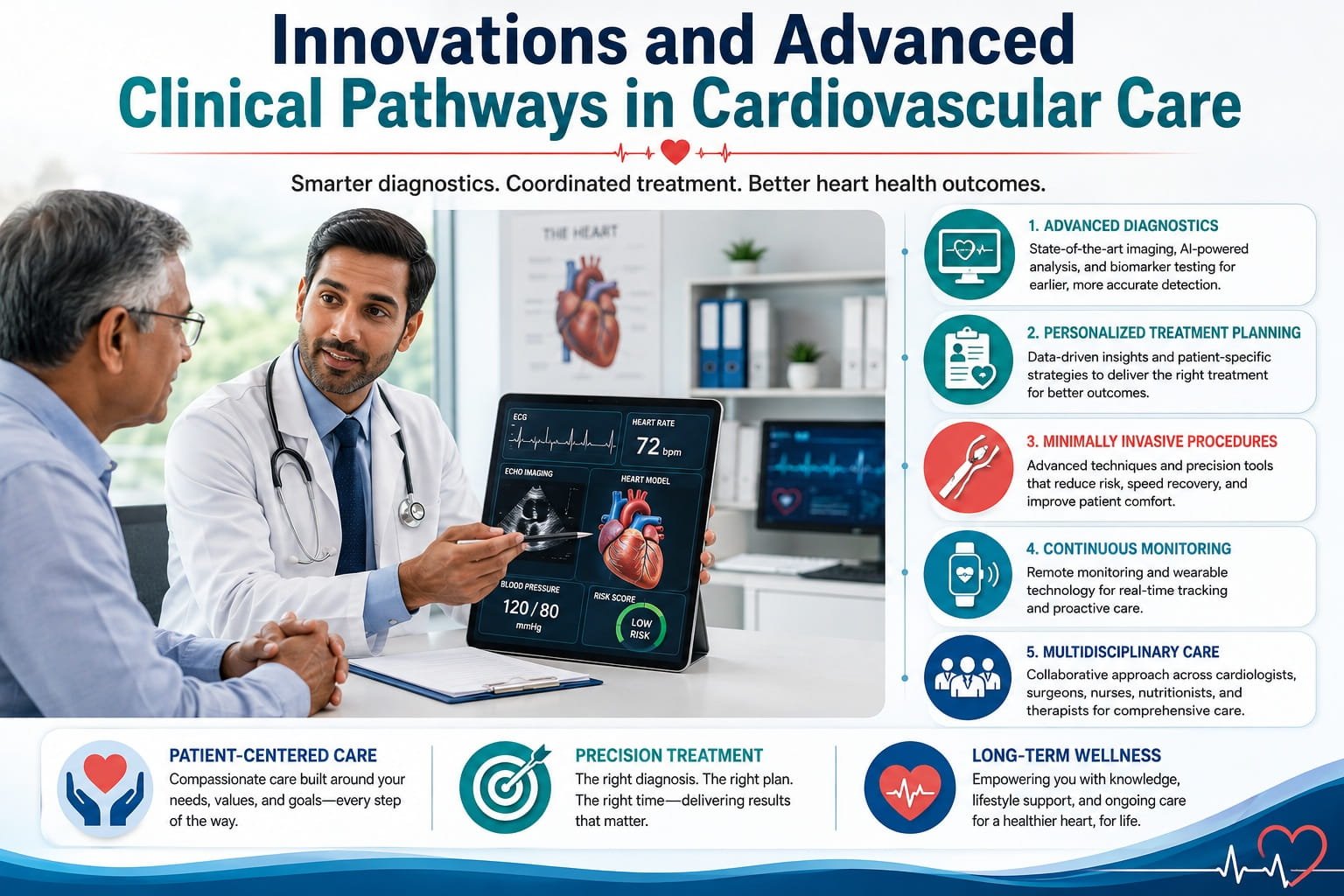
Navigating specialized cardiac care requires guidance from experienced medical professionals who specialize in diagnosing and treating complex vascular conditions. Over the past two decades, cardiovascular medicine has undergone a profound technological transformation. Historically, evaluating arterial blockages and heart muscle function relied heavily on basic electrocardiograms and invasive exploratory procedures with prolonged recovery periods. Today, advanced interventional tools, high-resolution imaging, and targeted medical therapies allow cardiologists to manage complex structural issues early, preserving vital cardiac function and significantly improving long-term quality of life.
Consulting an experienced Interventional Cardiologist plays a vital role in evaluating severe coronary artery disease, high blood pressure, and complex valvular conditions. Through advanced diagnostic procedures like radial angiography and intravascular ultrasound, specialists can pinpoint localized blockages and deploy life-saving drug-eluting stents with microscopic precision.
Comprehensive heart care integrates routine disease management with specialized clinical interventions for advanced cardiac conditions, ensuring every patient receives a personalized care pathway.
The Evolution of Interventional Cardiology Protocols
Interventional cardiology focuses on minimally invasive, catheter-based treatments that restore blood flow to the heart muscle without requiring open-heart surgery. Advanced catheterization laboratories utilize digital imaging to guide instruments safely through blood vessels.
- Transradial Angioplasty: Accessing coronary arteries through the wrist radial artery rather than the groin femoral artery significantly reduces bleeding risks, enhances post-procedure patient comfort, and shortens overall hospital stays.
- Specialized Heart Failure Management: Partnering with a dedicated Advanced Heart Failure Clinic ensures that patients facing weakened heart muscle function or complex rhythm disorders receive tailored medical therapies and continuous physiological monitoring.
- Intravascular Imaging and Physiology: Utilizing Fractional Flow Reserve and Intravascular Ultrasound allows cardiologists to measure precise pressure differences across blockages, ensuring that stents are placed only where medically necessary.
Comprehensive Strategies in Advanced Heart Failure Management
Heart failure occurs when the heart muscle becomes unable to pump sufficient blood to meet the body’s’s metabolic demands. Comprehensive heart failure management focuses on slowing disease progression, reducing hospital readmissions, and improving daily functional capacity through highly personalized care plans.
The clinical care pathway progresses smoothly from initial diagnostic evaluation and non-invasive echocardiography to targeted medical optimization, device therapy implantation, and structured cardiac rehabilitation. These integrated approaches help stabilize weakened heart muscle tissue and prevent secondary organ complications.
When comparing contemporary care to legacy protocols, older methods relied primarily on symptom relief through basic diuretics and extended hospital rest. In contrast, current heart failure care combines guideline-directed medical therapies with advanced cardiac resynchronization therapy devices, implantable cardioverter defibrillators, and continuous remote hemodynamic monitoring to achieve sustainable disease control.
Cellular Mechanisms and Hemodynamic Stabilization
At the organ level, heart failure involves progressive mechanical and electrical remodeling of the cardiac chambers. Chronic high blood pressure, prior myocardial infarctions, or viral myocarditis force the left ventricle to stretch or stiffen, reducing its pumping efficiency. Over time, elevated filling pressures lead to fluid retention in the lungs and lower extremities.
Advanced pharmaceutical therapies work synergistically to interrupt these destructive neurohormonal pathways. By prescribing specialized medication combinations, such as angiotensin receptor-neprilysin inhibitors, sodium-glucose cotransporter two inhibitors, beta blockers, and mineralocorticoid receptor antagonists, clinical teams can actively promote reverse cardiac remodeling and restore healthier ejection fractions.
Structural Heart Innovations and Valve Therapies
Beyond coronary artery disease, structural heart interventions have revolutionized treatment for severe valvular conditions. Minimally invasive valve replacement protocols allow clinical teams to replace damaged aortic or mitral valves through small catheter incisions, offering safer alternatives for elderly or high-risk surgical candidates.
Transcatheter aortic valve replacement and transcatheter edge-to-edge repair for mitral regurgitation represent monumental shifts in patient care. These catheter-based options eliminate the need for sternotomy or cardiopulmonary bypass, drastically lowering recovery timelines and allowing patients to return home within a few days.
Synchronizing Prevention with Interventional Medicine
Preventative cardiology forms the foundation of long-term cardiovascular health. Managing metabolic risk factors like hypertension, elevated cholesterol, and diabetes through lifestyle modification and targeted pharmaceutical therapy prevents early vessel damage, protecting long-term heart function.
Integrating routine lipid profiling, advanced inflammatory markers, and coronary calcium scoring allows clinicians to identify vascular calcification long before clinical symptoms appear. Empowering individuals with proactive dietary counseling, aerobic conditioning programs, and early lipid-lowering management builds lasting cardiovascular resilience.
Conclusion
Cardiovascular medicine successfully combines rapid interventional capabilities with long-term disease management strategies. By utilizing advanced catheterization techniques, 3D imaging, and specialized heart failure management protocols, medical teams provide safer, highly predictable outcomes for patients facing complex heart conditions. Partnering with dedicated cardiac specialists operating in fully equipped clinical facilities remains the single most effective step toward maintaining a healthy, resilient cardiovascular system.
Frequently Asked Questions (FAQs)
Q1: What is the main advantage of wrist radial angioplasty over groin angioplasty?
Wrist radial angioplasty significantly reduces post-procedure bleeding risks, allows patients to walk immediately after the intervention, and speeds up overall recovery times.
Q2: How does an advanced heart failure clinic differ from standard cardiology care?
An advanced heart failure clinic provides specialized, multidisciplinary care focusing on optimized medication protocols, device therapies, structural valve interventions, and continuous disease monitoring for weakened heart muscles.
Q3: What role does cardiac resynchronization therapy play in heart failure?
Cardiac resynchronization therapy uses a specialized biventricular pacemaker to coordinate the electrical signals of the heart, helping both ventricles pump together more efficiently to improve heart function and reduce symptoms.