



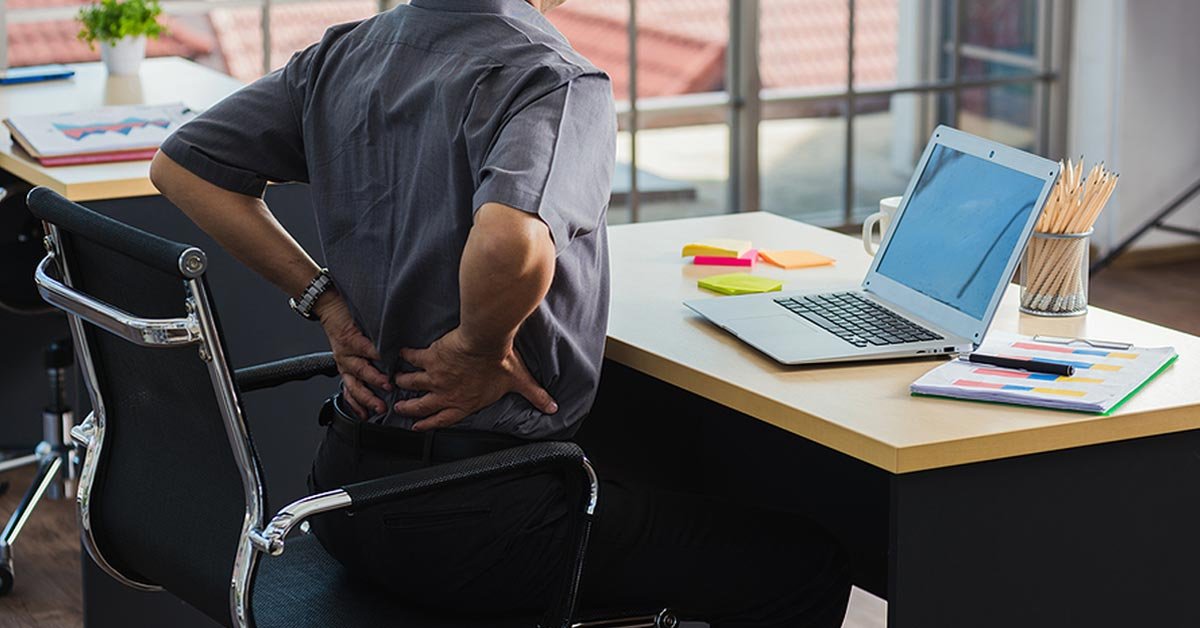
Lower back discomfort while sitting is one of the most widespread musculoskeletal and neurological complaints affecting adults today. With millions of working professionals spending long hours at desk jobs, commuting in traffic, or remaining seated before screens, static posture has become a primary driver of lumbar strain. While sitting feels like a relaxing activity compared to heavy manual labor, it actually places substantial mechanical stress on the delicate structural and neurological components of the lower spine.
Consulting an experienced Neurosurgeon plays a crucial role when lower back discomfort stems from structural spinal issues like lumbar disc herniation, spinal stenosis, or spondylolisthesis. Utilizing advanced diagnostic neuroimaging, micro-surgical techniques, and minimally invasive decompression procedures, surgical specialists can relieve pressure on pinched nerves while stabilizing the spinal column for long-term physical recovery.
Addressing sitting-induced back pain effectively requires seamless coordination between surgical specialists, medical teams, and physical therapists to ensure targeted non-operative and operative management plans.
Physiological Mechanics of Lower Back Pain While Sitting
The human spine is naturally engineered for movement, weight distribution, and dynamic flexibility. Remaining seated in a static position for extended periods forces the lower lumbar vertebrae to carry the weight of the upper torso without active muscle assistance.
- Elevated Lumbar Disc Pressure: Sitting increases intradiscal pressure within the lumbar spine by approximately forty to fifty percent compared to standing. Partnering with a dedicated Neurologist allows patients experiencing persistent nerve pain, numbness, sciatica, or chronic neuromuscular tightness to receive comprehensive diagnostic evaluations, nerve conduction velocity studies, and targeted medical management plans when slouching forward pushes spinal disc material toward posterior nerve roots.
- Flattening of the Natural Lumbar Curve: Extended sitting flattens the natural inward curve of the lower spine. This poor posture overstretches posterior ligaments, fatigues stabilizing back muscles, and increases focal pressure on lower spinal joints.
- Tightness in Hip Flexors and Hamstrings: Remaining seated keeps the psoas muscles and hamstrings contracted in a shortened position. Over time, tight hip flexors pull the pelvis forward, creating pelvic imbalances that strain the lower back joints upon standing.
- Inhibition of Core and Gluteal Muscles: Extended sitting leads to temporary muscle inhibition in the gluteal and abdominal regions. Without active core stabilization, the lower back muscles must work continuously to keep the torso upright.
Structural Conditions Exacerbated by Extended Sitting
For individuals with underlying spinal or nerve root conditions, sitting for long stretches can trigger sharp localized pain, stiffness, or burning discomfort down the legs.
- Lumbar Disc Herniation: Bulging or herniated discs often hurt significantly more while sitting because the forward-flexed posture squeezes the anterior disc space, forcing damaged disc tissue outward against sensitive nerve roots.
- Sciatica and Spinal Nerve Irritation: Mechanical compression on the sciatic nerve causes burning pain, sharp tingling, or loss of sensation that travels from the lower back down through the gluteal region into the calf and foot.
- Lumbar Spinal Stenosis: Narrowing of the spinal canal can compress delicate nerve roots, causing localized aching and discomfort that worsens when sitting in poorly supported chairs for hours.
Comprehensive Diagnostic Pathways for Sitting Discomfort
Achieving long-term relief begins with an accurate diagnosis to distinguish simple muscle strain from structural nerve compression. Modern clinical diagnostic facilities integrate structural and physiological imaging protocols to locate the exact source of discomfort.
High-resolution magnetic resonance imaging allows specialists to examine soft tissues, intervertebral discs, and spinal cord space in clear detail. Simultaneously, electromyography and nerve conduction velocity tests measure electrical signal propagation through peripheral nerves, helping medical teams determine whether nerve roots are compressed or inflamed.
When comparing modern clinical pathways to legacy treatments, older protocols relied primarily on extended bed rest and basic pain relievers. In contrast, contemporary care combines targeted non-invasive physical therapies, ergonomic corrections, nerve pain medications, and minimally invasive surgical interventions when conservative care is insufficient.
Ergonomic Corrections and Preventive Daily Habits
Making simple ergonomic adjustments and adopting active sitting habits can dramatically reduce mechanical pressure on your lower spine throughout the workday.
- Maintain Natural Lumbar Support: Place a small lumbar cushion or rolled towel behind the small of your lower back to preserve your natural inward spinal curve.
- Optimize Chair and Desk Height: Adjust your chair so your feet rest flat on the floor with knees bent at a ninety degree angle, ensuring your thighs stay parallel to the ground.
- Follow the Thirty Minute Movement Rule: Stand up, stretch, or walk around for sixty seconds every thirty minutes to rehydrate spinal discs and restore healthy blood circulation.
- Avoid Crossing Legs: Crossing legs at the knees or ankles tilts the pelvis unevenly, twisting the lower spine and increasing unilateral hip tension.
Conclusion
Experiencing lower back pain while sitting is a clear signal that your body requires movement, proper ergonomic support, and comprehensive clinical evaluation. By correcting posture habits, taking frequent movement breaks, and strengthening core stabilizing muscles, individuals can alleviate spinal pressure and protect back health. If lower back pain remains severe, persists beyond two weeks, or radiates down the leg, consulting specialized neurosurgical and neurological professionals remains the most effective step toward complete recovery.
Frequently Asked Questions (FAQs)
Q1: Why does lower back pain worsen when sitting compared to standing?
Sitting places significantly higher mechanical pressure on the lower spinal discs and flattens the natural lumbar curve, causing back muscles and ligaments to work much harder to support upper body weight.
Q2: What is the most effective sitting position to prevent back pain?
The optimal position involves sitting back against your chair with firm lumbar support, keeping feet flat on the floor, hips and knees at ninety-degree angles, and relaxing shoulders without slouching forward.
Q3: When should sitting-induced lower back pain be evaluated by a specialist?
You should seek a specialist evaluation if back pain is accompanied by leg numbness, muscle weakness, sharp radiating pain down the leg, or if discomfort persists continuously for more than two weeks despite rest.