



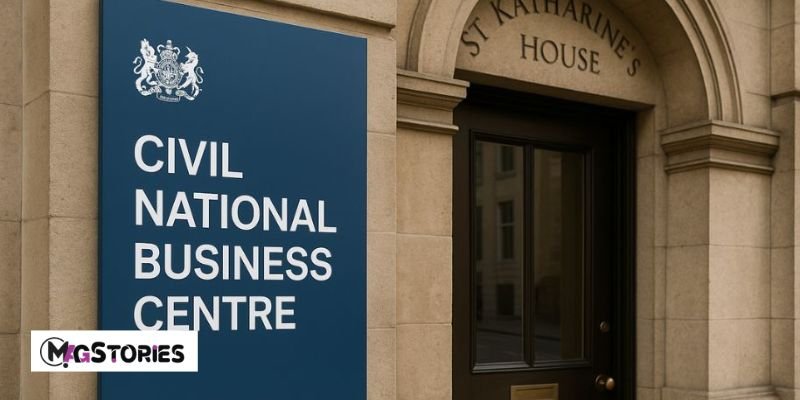
The civil national business centre is an important part of the court system in England and Wales, especially for people and businesses dealing with money claims. If you have received a claim form, want to recover an unpaid debt, or need to understand how County Court money claims work, this centre is often involved.
For many business owners, the name can feel confusing at first. It sounds like a physical court where you might need to attend a hearing, but that is not usually how it works. The civil national business centre mainly operates as an administrative centre for handling money claims, paperwork, responses and related court processes.
In simple words, it helps manage civil money claims more efficiently.
For businesses, this matters because unpaid invoices, contract disputes and debt recovery can affect cash flow. A company may be profitable on paper, but if customers do not pay on time, operations can suffer. Understanding how the civil national business centre works can help business owners protect their money, respond correctly and avoid costly mistakes.
What Is the Civil National Business Centre?
The civil national business centre is a court service that deals with civil money claims in England and Wales. It is linked with the County Court system and is used for processing claims where one person or business says another person or business owes money.
It is not designed like a normal public-facing court where people walk in for hearings. Instead, it works more like a central processing centre. It handles claim forms, responses, applications, judgments and other paperwork connected with money claims.
If a case needs a hearing, it may later be transferred to a local County Court hearing centre. But in the early stages, many money claims are managed through the civil national business centre.
This makes the system more organised because a large number of claims can be processed in one place.
Why the Civil National Business Centre Matters
The civil national business centre matters because money disputes are common in both personal and business life. A freelancer may not be paid for completed work. A small business may be chasing an unpaid invoice. A supplier may need to recover money from a client. A customer may dispute a charge.
When these issues cannot be solved privately, a money claim may become necessary.
For businesses, this can be especially important. Late payments can create pressure on wages, suppliers, tax bills and growth plans. A clear claim process gives businesses a structured way to recover money.
MagStories has already covered practical business topics such as UK Business Guides, News and Tips, where business owners can find useful information on UK business support, tax and operations. The civil national business centre fits naturally into that wider business knowledge because it affects how companies manage financial disputes.
What Does the Civil National Business Centre Do?
The civil national business centre deals mainly with administrative work for civil money claims. It helps process claims and related documents so that cases can move through the court system.
Its work may include issuing money claims, handling claim responses, processing admissions, managing defences, dealing with counterclaims, handling judgment requests and supporting different stages of a claim.
It also deals with paperwork sent by post or through approved court services. In many cases, users do not need to attend the centre in person.
This is important because many people assume that receiving court paperwork means they will immediately need to appear in court. That is not always true. Many early steps in a money claim are handled through forms, deadlines and written responses.
Is the Civil National Business Centre a Court?
The civil national business centre is part of the court service, but it is not a normal courtroom for public hearings. It is mainly an administrative centre.
This means it helps process claims, but it does not usually act like a local court where people attend hearings face to face. If a claim becomes defended or requires a hearing, it may be transferred to another court.
This distinction is important. If you receive paperwork from the civil national business centre, you should not ignore it just because there is no hearing date. The paperwork may still be serious and may require a response within a set deadline.
Ignoring it can lead to judgment being entered against you.
Civil National Business Centre and Money Claims
Money claims are one of the main reasons people come across the civil national business centre. A money claim is a legal claim made when someone believes they are owed money.
This could involve unpaid invoices, unpaid loans, contract disputes, service disagreements, rent arrears, business debts or other financial disagreements.
For example, if a business provides services to a client and the client refuses to pay, the business may first send reminders and a formal letter before action. If the issue is still not resolved, the business may decide to start a money claim.
The civil national business centre may then become involved in issuing or processing the claim.
How the Money Claim Process Usually Works
The money claim process follows a structured path. The exact steps can vary depending on the case, but the general process is easy to understand.
First, the claimant prepares the claim. The claimant is the person or business saying money is owed.
The claim should explain who owes the money, how much is owed, why the money is owed and what evidence supports the claim.
Next, the claim is submitted through the correct court process. Some claims can be started online, while others may involve paper forms.
Once the claim is issued, the defendant receives the claim documents. The defendant is the person or business being asked to pay.
The defendant then has options. They may admit the debt, dispute the claim, pay the amount, request more time or file a defence.
If the defendant does not respond, the claimant may be able to request judgment in default.
If the claim is defended, the case may move forward and may eventually be transferred to a local court for further directions or a hearing.
Civil National Business Centre and County Court Judgments
Many people search for the civil national business centre because they have received paperwork about a County Court Judgment, often called a CCJ.
A CCJ is a court judgment that says someone owes money. It can affect credit records and may make it harder to get credit, loans, mortgages or business finance.
For a business, a CCJ can also damage reputation and create problems with suppliers, lenders or partners.
This is why it is important to respond quickly if you receive a claim. Ignoring a claim does not make it disappear. In many cases, no response can lead to a default judgment.
If you receive a CCJ and believe there has been a mistake, you may need to take action quickly. Depending on the situation, you may be able to apply to set aside the judgment, pay it, or request that records are updated.
Because CCJs can have serious consequences, it is wise to get professional advice if you are unsure.
Why a Business Might Use the Civil National Business Centre
A business may use the civil national business centre when it needs to recover unpaid money. This is common for small businesses, contractors, agencies, landlords, suppliers and service providers.
For example, a marketing agency may complete work for a client who later refuses to pay. A wholesaler may deliver goods but never receive payment. A consultant may finish a project but be ignored after sending the invoice.
In these situations, the business may try informal communication first. If that does not work, it may send a formal letter before action. If the debt remains unpaid, a money claim may be considered.
The civil national business centre provides a formal route for this process.
For business owners who want to improve financial systems, the MagStories guide on Business Information Warehouse is also relevant because good records, reporting and data management can make debt recovery much easier.
Why a Person Might Receive a Claim from the Civil National Business Centre
A person may receive a claim from the civil national business centre if someone believes they owe money. This could be a company, lender, landlord, service provider or another individual.
Receiving a claim can feel stressful, but the worst response is to ignore it.
The first step is to read the paperwork carefully. Check the claimant name, amount claimed, reason for the claim, claim number and deadline for response.
If the money is owed, there may be options to admit the claim and offer payment. If the claim is wrong, there may be an option to defend it. If only part of the claim is accepted, a partial admission may be possible.
The correct response depends on the facts.
Common Types of Claims
The civil national business centre may be connected with different types of civil money claims.
These can include unpaid invoices, unpaid personal loans, credit agreements, service disputes, contract breaches, rent arrears, business debts, supplier disputes and other financial claims.
The key point is that the claim usually involves money. More complex disputes or cases requiring detailed hearings may move to a different court stage later.
Civil National Business Centre and Business Cash Flow
Cash flow is one of the biggest challenges for businesses. A company can have strong sales but still struggle if payments are delayed.
Unpaid debts can affect staff wages, rent, supplier payments, tax obligations and investment plans. For smaller businesses, even one unpaid invoice can create serious pressure.
The civil national business centre can be part of a wider debt recovery strategy. It gives businesses a formal route when polite reminders and negotiations do not work.
However, businesses should not treat court action as the first step. It is usually better to communicate clearly, keep records, send reminders and try to resolve the issue before starting a claim.
Strong business processes can reduce the need for legal action. This is where operational planning matters, and the MagStories article on Modern Business Associates explains how professional business support and structured administration can help companies operate more efficiently.
Documents and Evidence Matter
If you are making or defending a claim, documents matter. A strong case is usually supported by clear evidence.
This may include contracts, invoices, emails, payment reminders, delivery notes, bank records, screenshots, terms and conditions, signed agreements and written communication.
For businesses, good record keeping is not just an admin task. It is protection.
If a dispute reaches the civil national business centre, the quality of your records may affect how clearly you can explain your position.
A business that keeps organised financial and operational data is in a much stronger position than one that relies on memory or informal messages.
What to Do If You Receive a Claim
If you receive a claim from the civil national business centre, do not panic, but do not delay.
Read the claim carefully. Check the deadline. Make sure the claim is really about you or your business. Look at the amount being claimed and the reason given.
Then decide whether you admit the claim, dispute it, or need advice.
If you agree that the money is owed, you may be able to admit the claim and offer payment. If you disagree, you may be able to file a defence. If you agree with part of it, you may be able to respond partly.
The important thing is to respond on time.
Missing a deadline can lead to judgment being entered against you, even if you had a valid reason to dispute the claim.
What Businesses Should Do Before Making a Claim
Before making a claim, a business should prepare carefully. Court action should be based on facts, evidence and a clear claim amount.
Start by reviewing the contract or agreement. Check the invoice, payment terms, due date and any communication with the customer.
Send clear reminders. If payment is still not made, send a formal letter before action. This gives the other party a final chance to resolve the matter before court action.
Make sure the claim amount is correct. Include only what can be properly supported.
It is also important to think commercially. Sometimes a negotiated settlement may save time and preserve a business relationship. In other situations, formal action may be necessary to protect cash flow.
A smart business owner does not act emotionally. They act strategically.
Civil National Business Centre and Digital Processes
The civil national business centre reflects a wider move toward digital and centralised services. Many business, legal and financial systems now rely on online forms, digital records and central processing.
This can make systems faster, but it can also confuse people who are not familiar with online court processes.
Businesses already using digital tools may find it easier to manage claims because they often have better records, faster access to invoices and clearer communication trails.
The Role of Business Intelligence in Claims
Business intelligence may not sound related to court claims, but it can be very useful for companies. If a business tracks late payments, customer risk, invoice delays and debt patterns, it can reduce future problems.
For example, a company may notice that certain clients always pay late, certain payment terms create risk, or certain departments fail to follow up invoices quickly.
This kind of insight helps businesses improve payment processes before disputes become legal claims.
The MagStories guide on FSI Blogs US explains how finance, compliance and digital systems shape financial decision-making. The same principle applies here. Better financial awareness leads to better business protection.
Civil National Business Centre and Small Businesses
Small businesses often feel the impact of unpaid money more sharply than large companies. A large corporation may absorb late payments for a while, but a small business may struggle quickly.
That is why understanding the civil national business centre is useful for entrepreneurs, freelancers and small business owners.
It gives them a formal route when clients refuse to pay, but it also reminds them to manage contracts, invoices and communication professionally.
Small businesses should not wait until a dispute becomes serious. They should use clear payment terms, written agreements, invoice reminders and proper records from the beginning.
Civil National Business Centre and Larger Companies
Larger companies may use the civil national business centre more regularly, especially if they handle many customer accounts, supplier disputes or debt recovery matters.
For larger businesses, the process is often part of a formal credit control system. They may have internal finance teams, legal departments or external debt recovery support.
The key advantage is consistency. A structured process helps companies manage claims professionally and avoid random decision-making.
However, larger companies must also be careful. Poorly handled claims can damage customer trust, create legal risks and affect brand reputation.
Common Mistakes to Avoid
Many people make avoidable mistakes when dealing with the civil national business centre.
One common mistake is ignoring paperwork. This can lead to a judgment even when the person may have had a defence.
Another mistake is missing deadlines. Court processes are time-sensitive, and late responses can create serious problems.
Some claimants make the mistake of submitting weak or unclear claims. If the claim does not explain the debt properly, it may become harder to progress.
Businesses may also fail to keep proper evidence. Without records, even a genuine claim can become difficult to prove.
Another mistake is acting emotionally. A dispute can be frustrating, but court action should be handled calmly and professionally.
How to Reduce the Risk of Money Claims
The best way to deal with money claims is to reduce the risk before they happen.
Businesses can do this by using written contracts, clear payment terms, upfront deposits, credit checks, invoice tracking and regular follow-ups.
It is also helpful to communicate early when payment issues arise. Sometimes a customer is willing to pay but needs a payment plan. Sometimes a dispute is based on misunderstanding. Early communication can prevent escalation.
From a business perspective, prevention is usually cheaper than legal action.
When to Get Professional Advice
Not every money claim requires a solicitor, but some situations do need professional advice.
You should consider getting advice if the claim is large, the facts are complicated, the other side has legal representation, the claim involves a business contract, you are unsure how to respond, or a CCJ has already been entered.
Legal advice can help you avoid mistakes and understand your options.
This article is for general information only and should not be treated as legal advice.
Civil National Business Centre and Wikipedia Context
For readers who want to understand the wider court structure, the County Court in England and Wales is the court system that deals with many civil matters, including money claims. The civil national business centre works within this wider civil justice environment by helping process claims more efficiently.
This wider context is useful because many people confuse different court names, claim services and hearing centres.
The main thing to remember is simple. The civil national business centre is mainly about processing money claims, not holding normal public hearings.
How Businesses Can Build a Better Debt Recovery System
A strong debt recovery system should not begin with court action. It should begin with good business habits.
Use clear contracts before work starts. Make payment terms easy to understand. Send invoices quickly. Follow up late payments early. Keep all communication professional. Store documents safely. Review customer payment history.
If the matter does need to go further, the business will already have the evidence needed to support its position.
This is where business discipline becomes important. Debt recovery is not just a legal issue. It is also a management issue.
A business that manages its records, customers and cash flow properly is better prepared for disputes.
Future of Civil Money Claims
Civil money claims are becoming more digital, centralised and process-driven. This reflects how many public services are changing in the UK.
For users, this can be positive because online systems may be quicker and easier to access. But it also means people must pay close attention to forms, deadlines and digital instructions.
Businesses should treat court communication seriously, whether it arrives by post, email or online platform.
As systems become more digital, good record keeping and fast responses will become even more important.
Final Thoughts
The civil national business centre plays an important role in handling money claims in England and Wales. It helps process claims, responses, judgments and related paperwork in a more centralised way.
For individuals, it is important to understand what a claim means and how to respond on time. For businesses, it is a key part of the wider debt recovery and cash flow management process.
The main lesson is simple. Do not ignore paperwork from the civil national business centre. Whether you are making a claim or responding to one, take the process seriously, keep evidence organised and act within the deadline.
For business owners, the civil national business centre is not just a legal topic. It is connected to cash flow, financial discipline, customer management and long-term business stability.
Handled properly, it can help businesses recover money and protect their operations. Handled poorly, it can lead to delays, judgments and unnecessary stress.
FAQs About Civil National Business Centre
What is the civil national business centre?
The civil national business centre is a court service that handles civil money claims in England and Wales. It mainly processes claims, responses, judgments and related paperwork.
Is the civil national business centre a real court?
It is part of the court service, but it is not usually a public-facing courtroom for hearings. It mainly works as an administrative centre for money claims.
Why have I received a letter from the civil national business centre?
You may have received a letter because someone has made a money claim against you or your business. You should read it carefully and respond within the deadline.
Can the civil national business centre issue a CCJ?
A County Court Judgment may be entered through the money claim process if a defendant does not respond, admits the claim, or loses the case.
Should I ignore a civil national business centre claim if I disagree with it?
No. If you disagree with the claim, you should respond properly and within the deadline. Ignoring it may lead to judgment being entered against you.
Can businesses use the civil national business centre for unpaid invoices?
Yes, businesses may use the money claim process to recover unpaid invoices, depending on the situation and evidence available.
Does the civil national business centre hold hearings?
It does not usually hold normal public hearings. If a hearing is needed, the case may be transferred to an appropriate County Court hearing centre.
What should I do before making a claim?
You should check your evidence, confirm the amount owed, send reminders, consider a letter before action and make sure your claim is clear and accurate.
Can I get legal advice for a civil national business centre claim?
Yes. Legal advice can be useful, especially if the claim is large, complex or connected to a business contract.
Is this article legal advice?
No. This article is for general information only. If you need advice about your own case, you should speak to a qualified legal professional.
Written by
MagStories Business Desk
Business, Finance & Digital Marketing
View all articles by the team →