



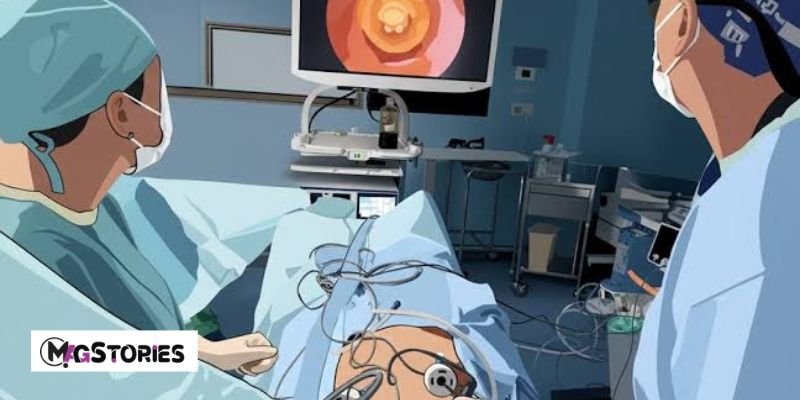
Laparoscopic surgery, often called “keyhole” or minimally invasive surgery, has transformed the way doctors diagnose and treat a wide range of medical conditions. Instead of the large incisions required by traditional open surgery, laparoscopy uses a handful of small openings, a thin camera, and specialized instruments to perform complex procedures with far less trauma to the body. What was once a niche technique has become the preferred approach across many surgical specialties, offering patients a safer, faster, and less painful path to recovery with a General and Laparoscopic Surgeon or the Best Bariatric Surgeon in your area often best placed to determine whether this approach is right for your condition.
What Is Laparoscopic Surgery?
Laparoscopic surgery is a technique in which a surgeon operates through several small incisions, typically less than a centimeter each, rather than one large opening. A thin tube fitted with a high-definition camera, called a laparoscope, is inserted through one of these incisions to give the surgical team a magnified, real-time view of the internal organs on a monitor. Specialized long, narrow instruments are then passed through the remaining incisions to perform the actual surgery, guided entirely by the camera’s view. Carbon dioxide gas is often used to gently inflate the abdominal cavity, creating more working space and a clearer view for the surgeon. This approach can be used both to diagnose conditions, by allowing doctors to directly examine internal organs, and to treat them, since many procedures can be completed entirely through the laparoscope without ever needing a larger incision.
How the Procedure Works
Laparoscopic procedures are performed under general anesthesia in an operating room. After the small incisions are made, the laparoscope and surgical instruments are inserted, and the abdomen is inflated with gas to improve visibility and maneuvering room. The surgeon then carries out the procedure while watching a magnified video feed rather than looking directly into the body. Depending on the complexity of the case, the operation may take anywhere from thirty minutes to a few hours. In some cases, a surgeon may begin laparoscopically but convert to open surgery if unexpected complications arise or if the anatomy makes the minimally invasive approach unsafe to continue. Once the procedure is complete, the small incisions are closed with a few stitches or surgical adhesive, resulting in minimal scarring compared to traditional surgery. For weight-loss procedures specifically, this level of precision is why patients are often advised to seek out the Best Bariatric Surgeon they can find, while for general abdominal conditions, a General and Laparoscopic Surgeon typically leads the procedure from start to finish.
Common Procedures and Uses
Laparoscopic techniques are now used across many areas of medicine. In general surgery, it’s commonly used for gallbladder removal, appendectomies, hernia repairs, and certain weight-loss procedures. In gynecology, laparoscopy is frequently used to treat conditions like endometriosis, ovarian cysts, and fibroids, and to perform procedures such as hysterectomies, often while preserving reproductive organs whenever possible. It also plays an important diagnostic role in cancer care, helping doctors determine how far a cancer has spread and guiding treatment decisions. Gastroenterology and colorectal surgery have also widely adopted the technique for conditions ranging from bowel resections to the treatment of certain digestive disorders. Not every patient or condition is suited to a laparoscopic approach, but the range of procedures it can handle has expanded significantly as surgical technology and technique have advanced.
Benefits of Laparoscopic Surgery
The advantages of laparoscopic surgery over traditional open surgery are well documented. Because the incisions are much smaller, patients typically experience significantly less pain after surgery and often need fewer pain medications during recovery. Smaller wounds also mean a lower risk of infection and reduced blood loss during the procedure itself. Hospital stays tend to be shorter, with many patients going home within a day or two instead of remaining for several days, and the smaller scars offer a better cosmetic outcome as well. Perhaps most importantly for patients, recovery time is considerably faster, allowing many people to return to work and normal activities in a fraction of the time required after open surgery.
Recovery and Aftercare
Recovery timelines vary depending on the specific procedure, but most people can expect to feel noticeably better within days rather than weeks. Mild soreness, bloating, or shoulder pain from the gas used during surgery is common in the first day or two and usually resolves on its own. Most patients are encouraged to start light walking soon after surgery to support circulation and healing, while more strenuous activity is typically avoided for several weeks. Full recovery for many procedures takes around four to six weeks, though this can vary widely depending on the complexity of the surgery and the patient’s overall health. Following the surgeon’s specific post-operative instructions and attending follow-up appointments are both important for ensuring internal healing progresses as expected.
Risks and Considerations
While laparoscopic surgery is generally very safe, it isn’t entirely without risk. Potential complications can include bleeding, infection, injury to nearby organs, or reactions to anesthesia, though these risks are generally lower than with open surgery. In a small percentage of cases, a procedure that begins laparoscopically may need to be converted to open surgery if complications arise. Not everyone is a candidate for a minimally invasive approach certain complex conditions, extensive scar tissue from previous surgeries, or specific health factors may make open surgery a safer choice. A thorough evaluation and conversation with a qualified surgeon is essential to determine the best surgical approach for each individual case.
Final Thoughts
Laparoscopic surgery represents one of the most significant advances in modern surgical care, offering patients a safer, less painful, and faster path to recovery compared to traditional open procedures. As technology continues to evolve, with advancements in imaging, instrumentation, and robotic-assisted techniques, the range of conditions that can be treated laparoscopically continues to grow. Anyone facing a potential surgery should discuss with their doctor whether a laparoscopic approach is appropriate for their specific condition and overall health.
Written by
MagStories Editorial Team
UK News, Celebrity, Technology, Sport & Lifestyle
View all articles by the team →