



A garment goes through a lot before it ever reaches someone’s closet. It gets folded, boxed, stacked on a pallet, loaded onto a truck, unloaded at a warehouse, maybe repacked again for a final delivery leg. Somewhere in that chain, the box has to do a different job at nearly every stage, and a lot of apparel packaging only really gets designed around one of those stages usually the prettiest one while the rest get treated as an afterthought.
The Warehouse Stage Asks for Something Different Than the Doorstep Does
Packaging meant to impress a customer opening a box at home looks nothing like packaging built to survive weeks stacked on a warehouse shelf, and that’s exactly the mismatch that trips brands up. A box that photographs beautifully for an unboxing video might buckle under three other boxes stacked on top of it for a month. Meanwhile, a box engineered purely for warehouse durability can feel plain and uninspired the moment a customer actually opens it.
The brands that get this right generally aren’t choosing one job over the other. They’re building a structure that holds up through the rough, anonymous middle of the supply chain and still looks considered by the time it reaches the end.
Where Garments Actually Take Damage
Most damage doesn’t happen in one dramatic moment. It happens gradually, in the parts of the journey nobody’s watching — a pallet sitting in a non-climate-controlled warehouse during a heat wave, boxes getting slightly crushed under their own stack weight for weeks at a time, repeated handling at a sorting facility where speed matters more than care.
Structured garments lose their shape under sustained compression. Natural fibers pick up humidity damage when sitting in storage longer than expected. Folded creases set permanently if a box flexes under weight for long enough. None of this shows up on day one. It shows up by the time the box finally reaches someone’s door, and by then it’s hard to trace the damage back to any single cause.
Matching Box Choice to Each Leg of the Trip
The warehouse leg rewards stackability and crush resistance above almost everything else. A box that holds its shape under its own stack weight, with reinforced corners and a base that doesn’t bow, prevents most of the slow compression damage that builds up over weeks of storage.
The transit leg is where impact resistance matters most — drops, rough handling, the general chaos of a sorting facility. Corner protection and snug internal fit do more here than outer presentation ever could.
The final delivery and unboxing moment is when branding and finish are actually noticed. This is the one stage most companies already design for, and it’s worth getting right, but only after the structure underneath it can actually survive getting there.
Why Finish and Structure Need to Work Together, Not Against Each Other
A lot of brands treat decorative finish as something layered on at the very end, almost separate from the structural decisions made earlier. That’s backward. Matte colors on kraft apparel boxes 24x14x4, for instance, read as understated and premium precisely because the kraft base underneath is already doing real structural work, the matte finish isn’t compensating for a weak box, it’s complementing one that was built right in the first place. Try the same finish on a flimsier structure and the whole thing just looks like a nice coat of paint on something that won’t hold up.
A Few Practical Considerations Across the Journey
- Size boxes to the actual garment, not a rounded estimate, since oversized boxes waste pallet space and compress less predictably when stacked
- Reinforce corners and base seams specifically, since these are the first points to fail under sustained warehouse stacking
- Choose moisture-conscious materials for garments heading into long storage windows, especially natural fibers
- Test a sample box fully packed and stacked for an extended period, not just dropped once, since compression damage builds slowly rather than all at once
- Keep branding and finish choices tied to a structure that’s already proven out, rather than finalizing the finish before the structural testing is done
Sourcing for Consistency Across a Long Supply Chain
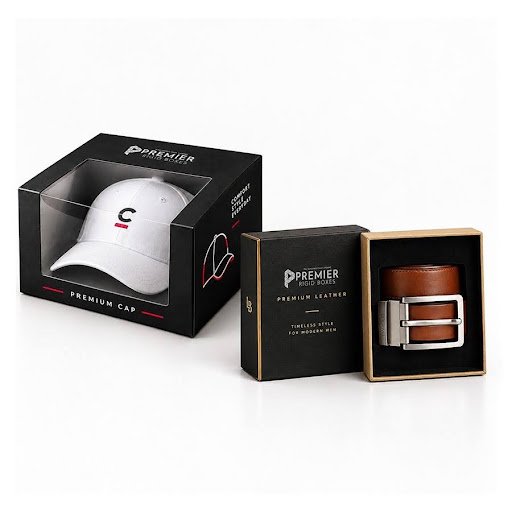
Brands running apparel through a multi-stage supply chain warehouse, distribution center, and final-mile delivery, tend to get more consistent results working with a single established supplier rather than patching together boxes from several sources with different structural standards. Premier Rigid Boxes is one example of a supplier brands turn to for that kind of consistency, since a structure that performs the same way across every batch matters more over a long supply chain than it does for a single shipment.
Final Words
A garment’s trip from wardrobe to warehouse and back out again puts very different demands on its packaging at every stage, and designing for only one of those stages usually the final unboxing leaves the rest of the journey exposed. The boxes that actually hold up are the ones built with the whole trip in mind: sturdy enough for the anonymous middle of the supply chain, and still presentable enough to matter once the garment finally reaches the person who bought it.