



Carboxytherapy is a non-surgical aesthetic and medical treatment that has quietly built a strong reputation for improving skin quality, reducing cellulite, and supporting the body’s natural healing process. Unlike many cosmetic procedures that rely on lasers, chemicals, or invasive surgery, carboxytherapy uses something surprisingly simple: carbon dioxide gas, delivered through tiny injections just beneath the skin. As more clinics adopt it for everything from dark circles to stretch marks, it’s worth understanding exactly how the treatment works and where it fits among today’s skin and body treatments and why it’s increasingly offered by a dermatologist at a dedicated skin clinic rather than only in general aesthetic settings.
What Is Carboxytherapy?
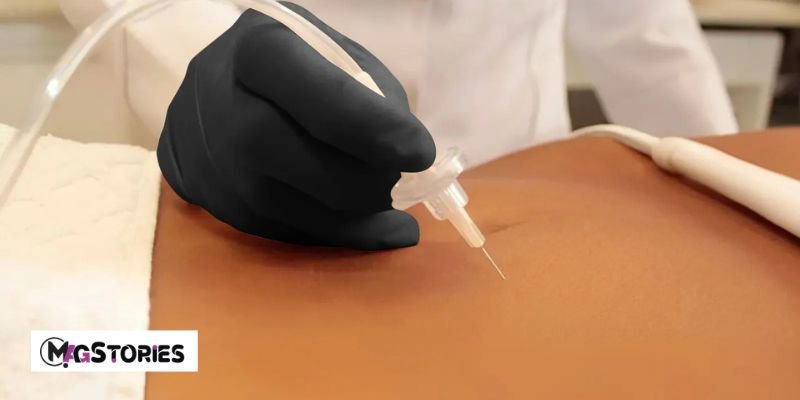
Carboxytherapy involves injecting small amounts of medical-grade carbon dioxide (CO₂) into the subcutaneous tissue, the layer just below the skin’s surface. The treatment is administered using a very fine needle connected to a controlled gas delivery device, allowing a precise, measured dose of CO₂ to be released into the targeted area. Originally used in medicine to treat circulatory conditions and support wound healing, carboxytherapy has since become popular in aesthetic medicine for treating cellulite, stretch marks, under-eye dark circles, fine lines, and skin laxity. It can be performed on many areas of the body, including the face, abdomen, thighs, and arms, and is typically carried out by a dermatologist or another qualified aesthetic professional in a clinical setting.
How Carboxytherapy Works
The science behind carboxytherapy centers on something called the Bohr effect. When carbon dioxide is introduced into tissue, the body responds as though it’s experiencing a temporary drop in oxygen levels in that area. In reaction, blood vessels dilate and blood flow increases, flooding the treated area with oxygen-rich blood. This surge in circulation triggers a cascade of beneficial effects: it stimulates collagen and elastin production, improves lymphatic drainage, and encourages the breakdown of localized fat deposits. The mild inflammatory response created by the CO₂ injection also plays a role, prompting the skin’s natural repair processes and gradually improving tissue firmness and texture over the course of treatment. Because of this, a dermatologist can help determine the right treatment frequency, and many patients now choose to begin their sessions at a skin clinic that specializes in this kind of regenerative, in-office care.
Common Uses of Carboxytherapy
Cellulite reduction. Carboxytherapy is one of the most popular non-surgical treatments for cellulite. By improving circulation and lymphatic drainage in the treated area, it helps smooth the skin’s surface and reduce the dimpled appearance associated with cellulite, particularly on the thighs and buttocks.
Localized fat and body contouring. The treatment can help stimulate fat metabolism in small, stubborn areas that don’t respond well to diet and exercise. It’s important to note that carboxytherapy isn’t a substitute for liposuction or major body contouring procedures; it works best for minor, localized fat pockets rather than significant fat removal.
Under-eye dark circles and periorbital rejuvenation. Carboxytherapy has become a well-known option for reducing dark circles and puffiness under the eyes. A series of treatments in this delicate area can improve skin elasticity and reduce the appearance of shadows caused by poor circulation.
Stretch marks and scarring. By stimulating collagen production and encouraging tissue repair, carboxytherapy can help soften the appearance of stretch marks and certain types of scarring, including some acne scars, over a series of sessions.
Skin laxity and fine lines. Because the treatment boosts collagen and elastin, it’s also used to firm loose or sagging skin and soften fine lines, making it a popular option for facial rejuvenation.
Hair loss. Some clinics offer carboxytherapy for the scalp, based on the idea that improved blood flow to hair follicles may support healthier hair growth, though this use is less established than its other applications.
What to Expect During Treatment
A typical carboxytherapy session begins with cleansing the treatment area, usually with an alcohol-based solution. A fine needle is then used to deliver small, controlled amounts of CO₂ just beneath the skin. Patients often describe a temporary crackling or tingling sensation as the gas disperses through the tissue, along with mild pressure, but the procedure is generally well tolerated and requires no anesthesia. Sessions usually last between 15 and 30 minutes, and there’s little to no downtime afterward, though some mild bruising, redness, or swelling at the injection sites is common for a day or two. Most treatment plans involve multiple sessions spaced about a week apart, with the total number depending on the area being treated and the specific goal.
Benefits and Considerations
Carboxytherapy is generally considered a safe, minimally invasive option compared to more aggressive treatments like liposuction or laser resurfacing. Because it doesn’t involve incisions, general anesthesia, or synthetic fillers, the risk of serious complications is low, and most people can return to normal activities immediately after a session. It’s also a versatile treatment, capable of addressing several different cosmetic concerns depending on where and how it’s applied.
That said, results are gradual and depend on completing a full course of treatment rather than a single session. Individual outcomes can vary based on skin type, the condition being treated, and how consistently sessions are followed. Carboxytherapy isn’t recommended for everyone. People with certain heart or lung conditions, active infections, or who are pregnant should avoid the treatment, and it’s important to have a proper consultation with a qualified provider beforehand to confirm it’s a safe fit. As with most aesthetic treatments, results are not permanent, and periodic maintenance sessions are usually needed to sustain improvements over time.
Final Thoughts
Carboxytherapy offers a gentle, non-surgical way to address a wide range of skin and body concerns, from cellulite and stretch marks to dark circles and skin laxity, by harnessing the body’s own circulatory and healing responses. While it isn’t a replacement for more invasive procedures when significant change is needed, it can be an effective option for people looking to improve skin quality and appearance with minimal downtime. Anyone considering carboxytherapy should consult a qualified dermatologist or aesthetic provider to discuss their specific goals and determine the right treatment plan.
Written by
MagStories Editorial Team
UK News, Celebrity, Technology, Sport & Lifestyle
View all articles by the team →