



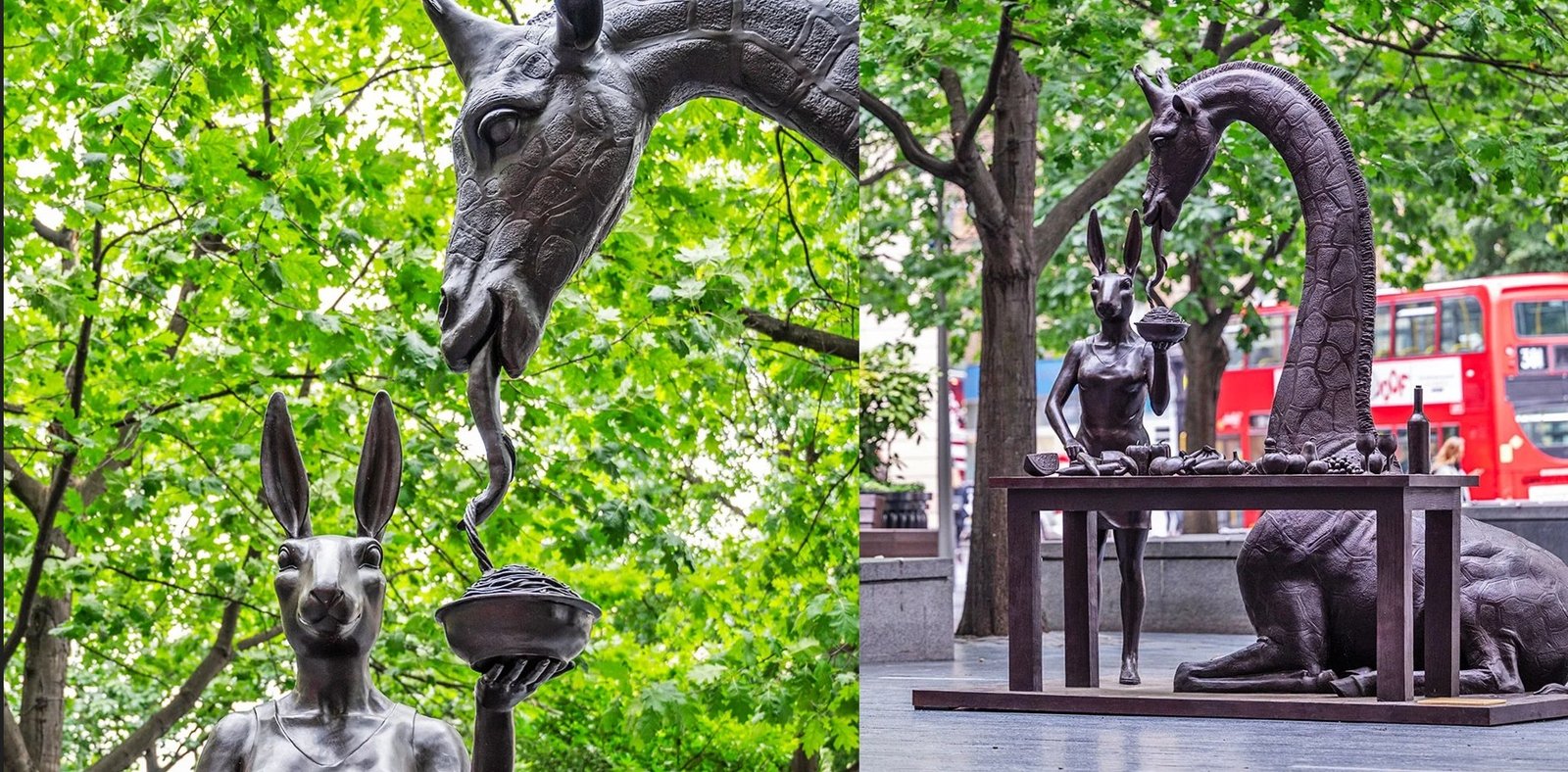
Zoos are no longer just spaces to view animals—they have evolved into immersive learning environments where art plays a crucial role in connecting visitors with wildlife. Among the most impactful forms of art of zoo are sculptures and statues, which allow visitors to engage physically and emotionally with animals, even when the real animals are distant or nocturnal. Sculptures are not only decorative; they are educational, interactive, and inspirational tools that enrich the zoo experience.
This article explores the role of sculptures in zoos, design strategies, notable examples worldwide, and how they promote conservation awareness. It also explains how statues complement murals and interactive installations to create a complete zoo art ecosystem.
Why Sculptures Are Important in Zoos
Sculptures serve multiple purposes in zoos:
-
Educational Tools
-
Life-size animal statues allow visitors to observe details up close, including physical features, textures, and proportions.
-
Sculptures often come with educational plaques or QR codes linking to species information, habitats, and conservation status.
-
-
Emotional Engagement
-
Statues create a physical and emotional connection to wildlife. Visitors can touch, walk around, or take photos with them, fostering empathy and curiosity.
-
-
Art as Storytelling
-
Sculptures can depict behavioral sequences, like hunting, nurturing young, or social interactions, allowing visitors to learn through art.
-
This storytelling complements murals, which often depict habitats and ecosystems.
-
-
Accessibility and Inclusivity
-
Not all animals are visible or active during visiting hours. Sculptures allow all visitors, including children and people with disabilities, to experience lifelike representations of wildlife.
-
Types of Zoo Sculptures
Life-Size Realistic Sculptures
-
Created to mirror real animals with accurate proportions and textures.
-
Examples include lions crouching, elephants in motion, or birds perched mid-flight.
-
These sculptures are often placed near enclosures or educational spaces.
Stylized or Abstract Sculptures
-
Artistic interpretations rather than precise replicas.
-
Use abstract shapes or exaggerated features to convey motion, emotion, or habitat essence.
-
Often designed to spark imagination, especially in children.
Interactive Sculptures
-
Sculptures that respond to touch or movement, sometimes incorporating sound or light.
-
Encourage engagement, particularly for young visitors who learn better through hands-on experiences.
Global Examples of Zoo Sculptures
Chester Zoo, UK
-
Large African animal sculptures placed along walking trails.
-
Serve as photo points and educational tools, with plaques explaining behaviors and conservation status.
San Diego Zoo, USA
-
Life-size sculptures of extinct or endangered species complement exhibits.
-
Visitors can interact and learn about species like the California condor or Sumatran tiger through tactile experiences.
Singapore Zoo
-
Sculptures integrated into pathways, allowing visitors to encounter animals virtually in their habitats.
-
Stylized statues highlight animal behaviors and create immersive educational experiences.
Sculptures Enhancing Conservation Messaging
Zoo sculptures are often tied to conservation campaigns:
-
Raising awareness about endangered species by depicting animals in their natural environment.
-
Fundraising: special statues or installations are linked to donation drives.
-
Community engagement: local artists collaborate to create wildlife statues, educating residents and visitors simultaneously.
Example:
-
A bronze sculpture of a sea turtle accompanied by signage on ocean pollution encourages visitors to reduce plastic waste and contribute to marine conservation projects.
Designing Effective Zoo Sculptures
Creating impactful sculptures requires careful planning:
-
Collaboration Between Artists and Zoologists
-
Ensures scientific accuracy in animal anatomy, behavior, and habitat representation.
-
-
Interactive Elements for Engagement
-
Sculptures designed for touch, movement, or photo opportunities increase learning retention.
-
-
Placement and Visibility
-
Strategically placed along high-traffic paths or near exhibits to maximize impact.
-
-
Durability and Maintenance
-
Outdoor sculptures need weather-resistant materials, sturdy foundations, and regular upkeep to remain visually appealing.
-
By combining artistic creativity with scientific accuracy and practical design, zoos create sculptures that educate, inspire, and engage visitors.
Sculptures Complementing Other Forms of Zoo Art
Sculptures work together with murals and interactive installations to provide a holistic zoo art experience:
-
Murals create background narratives of habitats and ecosystems.
-
Sculptures provide tangible, three-dimensional representations of animals.
-
Interactive installations add technology and engagement layers, such as AR overlays on sculptures.
This combination ensures visitors learn through multiple senses, strengthening both understanding and emotional connection to wildlife.
Impact on Visitor Experience
Research and visitor observations indicate:
-
Increased Engagement: Visitors spend more time near sculptural exhibits, reading plaques or interacting with installations.
-
Enhanced Learning: Tactile and visual experiences improve knowledge retention about animal behavior and conservation.
-
Emotional Connection: Life-like representations foster empathy, motivating visitors to support conservation initiatives.
FAQs
1. Why are sculptures important in zoos?
They allow visitors to engage with wildlife closely, educate about animal behavior, and enhance conservation awareness.
2. How do sculptures support learning?
Life-size and interactive sculptures provide tactile, visual, and experiential learning opportunities, improving knowledge retention.
3. Can sculptures be combined with other art forms?
Yes, sculptures complement murals, interactive installations, and thematic designs to create a holistic zoo art experience.
4. Are sculptures used for conservation campaigns?
Absolutely. Sculptures highlight endangered species, support fundraising, and engage the community in wildlife protection initiatives.
5. Where can I see notable zoo sculptures worldwide?
Chester Zoo (UK), San Diego Zoo (USA), and Singapore Zoo feature iconic sculptures integrated into exhibits and learning pathways.
Conclusion
Sculptures and statues are integral to modern zoos, connecting visitors with wildlife in ways that murals or signage alone cannot achieve. They provide educational, emotional, and interactive experiences while reinforcing conservation messages.