



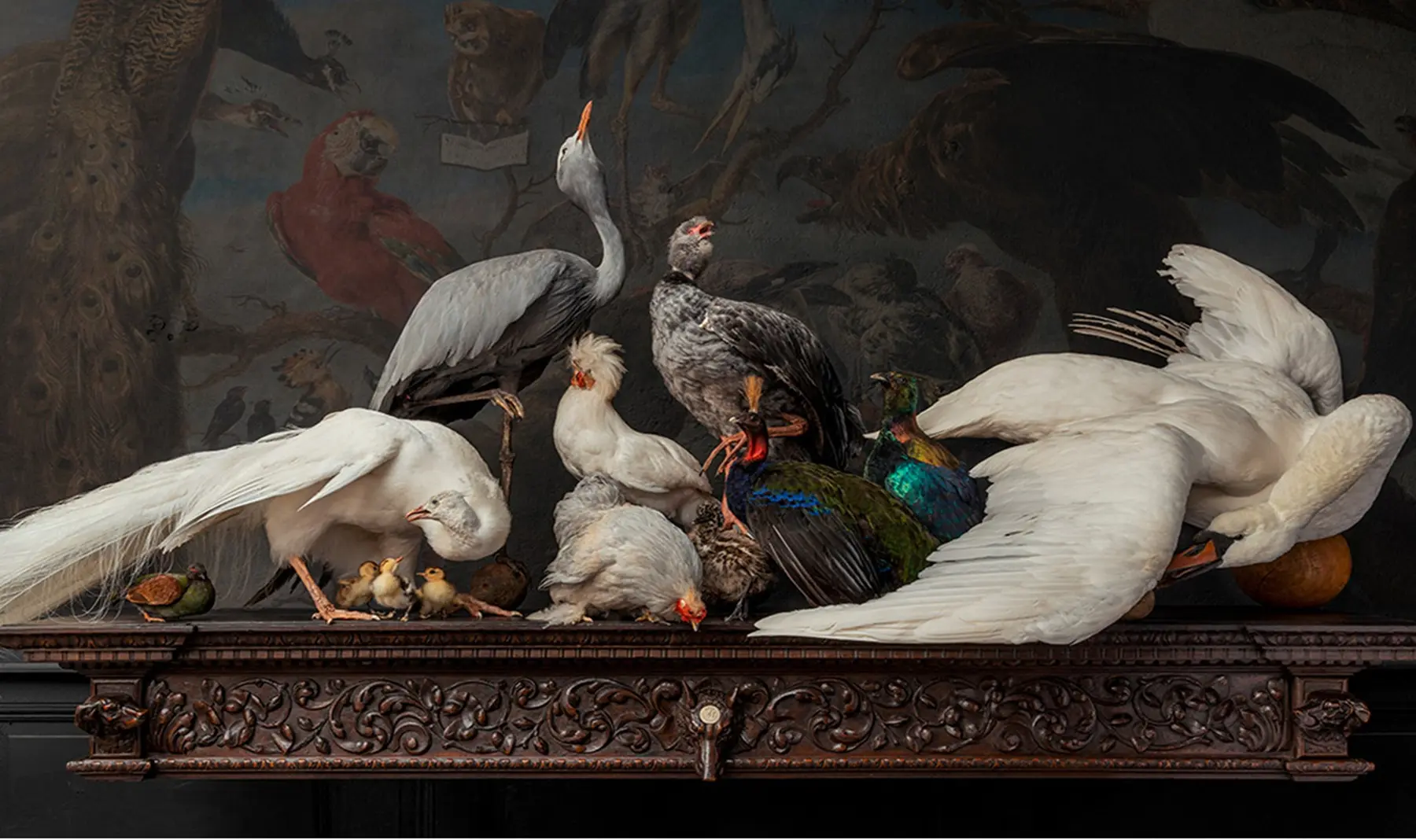
Zoos today are much more than spaces to observe wildlife they are immersive storytelling environments where art plays a critical role in shaping visitor experiences. Among the most impactful art forms in zoos are murals and wall art, which combine creativity with education, conservation messaging, and interactive engagement. From vibrant murals that replicate natural habitats to artistic narratives that showcase endangered species, wall art transforms ordinary zoo spaces into educational journeys. Zoos today are immersive storytelling environments where art in zoos plays a critical role in shaping visitor experiences.
This article explores how murals and wall art are designed, their impact on visitors, global examples, and how zoos leverage them to promote conservation awareness.
The Power of Murals in Zoos
Murals are more than decorative pieces they are immersive educational tools. They bring stories to life, communicate complex ecological concepts, and make conservation messages visually engaging.
Educational Benefits:
-
Depict animal habitats and food chains, making learning tangible.
-
Illustrate ecological balance and the importance of biodiversity.
-
Encourage children to explore and ask questions about wildlife and ecosystems.
Emotional Engagement:
-
Large-scale murals create awe-inspiring experiences, making visitors feel as if they are inside a rainforest, desert, or coral reef.
-
Artistic storytelling fosters empathy for animals and inspires action to protect their habitats.
Conservation Messaging Through Wall Art
Zoos increasingly use murals to raise awareness about conservation issues. Wall art can communicate:
-
Threats to species, such as habitat loss and poaching.
-
Success stories of wildlife preservation and rehabilitation programs.
-
Ways visitors can contribute to conservation, including donations or sustainable practices.
Example:
-
A mural depicting the life cycle of orangutans may include messaging about deforestation and how conservation organizations are protecting rainforests. Visitors learn visually, and the narrative encourages responsible behavior.
Design Principles for Zoo Murals
Creating effective murals in zoos involves more than painting skills. Designers consider:
-
Scientific Accuracy: Collaborations with zoologists ensure species, colors, and habitats are depicted correctly.
-
Immersive Storytelling: Murals are arranged to guide visitors through a narrative, such as predator-prey interactions or migration patterns.
-
Audience Engagement: Elements like hidden animals, interactive panels, or textures encourage exploration and observation.
-
Scale and Placement: Large walls or enclosure backdrops make the art visible from multiple angles, creating immersive experiences.
By blending art, science, and storytelling, murals not only entertain but also educate visitors about wildlife and conservation.
Global Examples of Murals in Zoos
Chester Zoo, UK
Chester Zoo uses murals extensively to depict African savannas, Asian rainforests, and temperate forests. Murals are paired with information panels that explain animal behavior, dietary habits, and conservation challenges.
San Diego Zoo, USA
The San Diego Zoo integrates murals with interactive learning. Visitors can scan QR codes to access animated illustrations, species sounds, and educational videos. This combination of art and technology enhances learning outcomes.
Singapore Zoo
Singapore Zoo employs murals alongside sculptural elements to create immersive pathways. The murals show wildlife in motion, giving visitors the sensation of traveling through different ecosystems while learning about each species.
Interactive Murals for Learning
Interactive murals are a growing trend in modern zoos. They combine visual storytelling with hands-on elements:
-
Touch-sensitive walls: Respond to visitor interactions by revealing information about species.
-
Augmented Reality (AR) layers: Visitors can point devices at the mural to see animated versions of animals or their habitats.
-
Sensory elements: Some murals include textures, scents, or sounds to replicate the environment depicted.
These interactive designs increase engagement, particularly for children, turning a passive visit into an immersive, memorable learning experience.
Murals as Part of Conservation Campaigns
Zoos also leverage murals to support broader conservation efforts:
-
Fundraising campaigns may feature murals of endangered animals with calls to action for donations.
-
Community mural projects engage local artists and residents, fostering environmental awareness beyond the zoo’s walls.
-
Educational programs often use murals as teaching tools to explain ecosystems and species interdependence.
Example:
-
A mural depicting sea turtles at risk from plastic pollution can inspire visitors to adopt eco-friendly habits, illustrating how art can drive behavioral change.
Planning Murals in Zoo Spaces
To maximize the impact of murals, zoos consider:
-
Visitor Flow: Murals are placed along high-traffic paths or near enclosures to capture attention.
-
Accessibility: Designs must be legible for all ages and inclusive for differently-abled visitors.
-
Maintenance: Durable materials, weather-resistant paints, and regular upkeep ensure murals remain vibrant over time.
-
Storytelling Continuity: Murals in different zones are designed to create a cohesive narrative throughout the zoo.
This planning ensures that murals are not just visually appealing but also educationally and emotionally effective.
The Impact of Murals on Visitor Experience
Studies and observations from leading zoos show that murals:
-
Increase Time Spent: Visitors engage longer when educational art is present, observing details and interacting with installations.
-
Boost Learning Retention: Visual storytelling improves understanding of complex ecological relationships.
-
Enhance Emotional Connections: Seeing animals in detailed, dynamic murals strengthens empathy and support for conservation initiatives.
By integrating art into zoo environments, murals transform spaces into educational experiences, elevating the value of a visit.
FAQs
1. Why are murals important in zoos?
Murals create immersive environments, educate visitors about wildlife, and convey conservation messages in an engaging way.
2. How do zoos ensure murals are educationally accurate?
Zoos collaborate with zoologists and educators to depict animals, habitats, and ecosystems correctly, blending art with science.
3. Can murals in zoos be interactive?
Yes, modern zoos use touch-sensitive walls, augmented reality, and multisensory elements to make murals interactive.
4. Do murals help with conservation efforts?
Absolutely. Murals raise awareness about endangered species, environmental issues, and inspire donations or behavioral change among visitors.
5. Where can I see notable zoo murals around the world?
Chester Zoo (UK), San Diego Zoo (USA), Singapore Zoo, and other major zoos feature prominent, educational murals.
Conclusion
Murals and wall art have transformed the zoo experience by combining creativity, education, and conservation messaging. They provide immersive storytelling, engage visitors of all ages, and inspire action to protect wildlife.