



Introduction
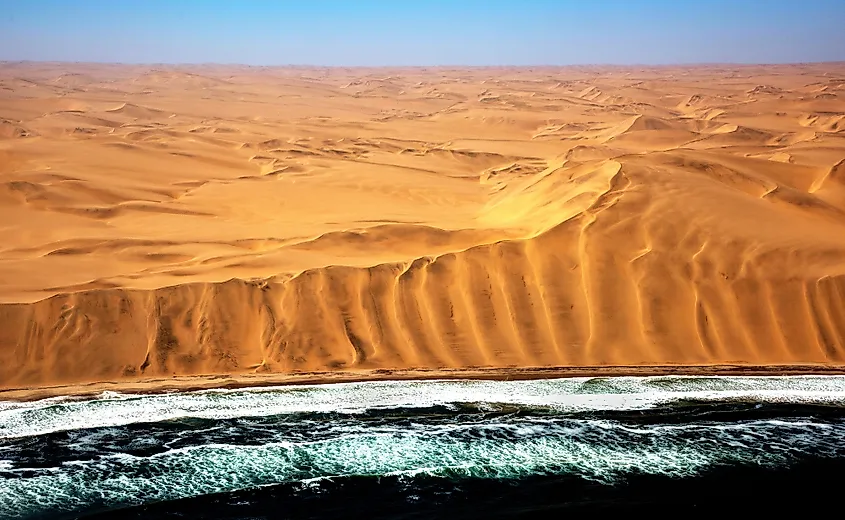
Jable is a naturally occurring sandy sediment that plays a vital role in the ecosystems of coastal regions, deserts, and dune landscapes. Beyond its practical uses in agriculture and construction, jable influences geological processes, vegetation patterns, and environmental stability. Understanding jable in its natural habitat is critical for geologists, environmental scientists, and ecologists, as it provides insights into sediment transport, dune formation, and ecosystem dynamics. Some regions with jable soil are ideal for farming. Learn more about its use in agriculture in our article on jable in agriculture.
Formation of Jable in Natural Environments
Jable forms primarily through wind and water processes, depending on the geographic location:
-
Desert Dunes
-
Wind carries fine particles, depositing sand to form longitudinal, transverse, and star-shaped dunes.
-
Jable accumulates as loose, dry sand that shifts over time with wind patterns.
-
-
Coastal Zones
-
Waves and tides deposit sand along beaches, forming coastal dunes.
-
Jable here is influenced by tidal action, vegetation, and human activity.
-
-
Riverbeds and Floodplains
-
Jable sediments are occasionally transported from upstream desert or mountain erosion, contributing to alluvial plains.
-
Geographic Distribution of Jable
-
Sahara Desert: Extensive dune fields composed primarily of jable sand, supporting unique desert ecosystems.
-
Spanish and North African Coastlines: Coastal jable dunes stabilize beaches and act as buffers against erosion.
-
Middle Eastern Deserts: Provides soil for native vegetation and agricultural experiments.
Environmental Role of Jable
Jable is critical for ecosystem stability and environmental processes:
-
Dune Stabilization
-
Prevents sand drift into agricultural lands.
-
Protects coastlines from storm surges and erosion.
-
-
Habitat Formation
-
Supports plants adapted to sandy soils, such as grasses, shrubs, and date palms.
-
Provides microhabitats for insects, reptiles, and small mammals.
-
-
Sediment Transport and Soil Renewal
-
Wind-blown jable deposits replenish dunes.
-
Maintains dynamic ecosystems that rely on sand movement for biodiversity.
-
Impact on Vegetation and Agriculture
Jable’s properties affect vegetation in several ways:
-
Drainage: High permeability reduces waterlogging but may require irrigation in arid regions.
-
Nutrient Availability: Jable soils are low in nutrients; blending with organic matter improves fertility.
-
Crop Adaptation: Date palms, root vegetables, and certain cereals grow well in sandy jable soils.
Practical Example:
-
Middle East: Jable dunes surrounding agricultural oases support date palm cultivation while providing sand buffers against desert encroachment.
Jable in Coastal Ecosystems
-
Forms protective dune systems along coastlines.
-
Absorbs wave energy, preventing damage to inland areas.
-
Supports coastal vegetation like marram grass, which anchors sand and prevents erosion.
Fun Fact:
-
Coastal jable dunes are often used in tourism and recreation, like walking trails and observation points, without compromising their ecological function.
Notable Global Locations
-
Sahara Desert, Africa
-
Extensive dune fields with high jable concentration.
-
Influences local climate, wind patterns, and desert ecosystems.
-
-
Andalusian Coast, Spain
-
Coastal jable dunes support both agriculture and tourism.
-
Stabilization projects combine human engineering with natural sand movement.
-
-
Arabian Desert, Middle East
-
Jable dunes provide soil for selective agriculture.
-
Conserves water and maintains desert flora diversity.
-
Human Interaction with Jable Landscapes
-
Dune Stabilization Projects: Planting vegetation and using barriers to prevent sand movement.
-
Agriculture: Blending jable with other soil types for crop productivity.
-
Research: Studying jable’s effect on erosion, sediment transport, and desertification.
Example:
-
Scientists in Spain monitor jable dunes for coastal protection studies, helping mitigate flood risks.
Cultural Significance in Geography
-
Many regions recognize jable as part of cultural heritage, especially where communities depend on sandy soils for agriculture and building materials.
-
Literature and local traditions reference jable dunes as landscape identity markers.
FAQs
Where is jable commonly found?
In deserts, coastal dunes, and semi-arid plains.
How does jable stabilize ecosystems?
By forming dunes and preventing erosion in desert and coastal regions.
Can vegetation grow on jable?
Yes, especially plants adapted to sandy soils, such as grasses, shrubs, and date palms.
Is jable important for agriculture?
Yes, it can improve drainage and supports certain crops when blended with organic matter.
Where can I learn about jable uses beyond geography?
Visit our hub page: Jable Meaning Uses and Cultural Importance.
Conclusion
Jable is more than just loose sand it is a dynamic component of deserts, coastal zones, and dune ecosystems. Its presence shapes landscapes, supports biodiversity, and influences human activity, from agriculture to environmental conservation.
By understanding jable’s geographical significance, including its formation, distribution, and environmental role, readers gain insight into how nature and human practice interact in sandy regions.