



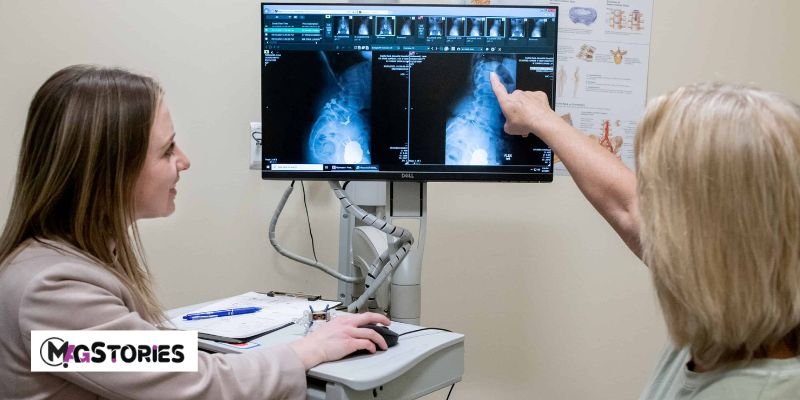
Head and neck surgery is a specialized surgical field that covers one of the most complex and densely packed regions of the human body. From the thyroid and salivary glands to the throat, sinuses, and voice box, this area houses vital structures responsible for breathing, swallowing, speaking, and hormone regulation, all within a relatively small anatomical space. Because of this complexity, head and neck surgery requires a high level of precision and specialized training, and it plays a central role in treating everything from benign growths to complex cancers, often in close coordination with a Surgical Oncologist when Head and Neck Surgery is needed to address a cancer diagnosis.
What Is Head and Neck Surgery?
Head and neck surgery refers to a broad category of surgical procedures used to diagnose and treat conditions affecting the structures of the head and neck, excluding the brain and eyes, which fall under separate specialties. This includes the thyroid and parathyroid glands, salivary glands, sinuses, larynx (voice box), pharynx (throat), and the soft tissues and lymph nodes of the neck. Surgeons who specialize in this area are typically otolaryngologists, also known as ear, nose, and throat (ENT) doctors, though some cases involve collaboration with oncologists, plastic surgeons, and reconstructive specialists depending on the complexity of the condition. Because so many essential functions are concentrated in this region, head and neck surgery often requires careful planning to preserve as much normal function and appearance as possible. For cancer-related cases in particular, a Surgical Oncologist frequently works alongside the ENT team to ensure Head and Neck Surgery is planned and performed with the best possible outcome in mind.
Conditions Treated
Head and neck surgery addresses a wide range of conditions, several of which are among the most common reasons patients are referred to a specialist.
Thyroid and parathyroid disorders. Nodules, goiters, and both benign and malignant tumors of the thyroid or parathyroid glands often require surgical removal, particularly when they cause symptoms, grow significantly, or show signs of malignancy.
Head and neck cancers. This includes cancers of the oral cavity, throat, larynx, salivary glands, thyroid, and sinuses. Surgery is frequently a core part of treatment, often used to remove tumors and affected lymph nodes, sometimes alongside radiation or chemotherapy depending on the stage and type of cancer.
Salivary gland conditions. Tumors or blockages in the parotid, submandibular, or sublingual glands can cause swelling, pain, or difficulty with normal gland function, and often require surgical intervention.
Sinus and airway disorders. Chronic sinusitis, nasal obstructions, and airway narrowing conditions affecting the trachea or larynx can significantly impact breathing and quality of life, and are often treated with minimally invasive surgical techniques.
Voice and swallowing disorders. Growths or structural problems affecting the vocal cords or throat can impair speech and swallowing, and surgery is sometimes needed to restore normal function.
Reconstructive needs. Following trauma, burns, or the removal of a tumor, reconstructive procedures are often performed to restore both appearance and function to the affected area.
How the Procedures Work
The specific surgical approach depends heavily on the condition being treated, but many head and neck procedures today favor minimally invasive techniques whenever possible. Smaller incisions, endoscopic approaches, and robotic-assisted surgery are increasingly used to access hard-to-reach areas of the throat and neck, which can result in less scarring and a faster recovery compared to older, more invasive techniques. For cancer cases, surgery often involves removing the tumor along with a margin of healthy tissue, and may include a neck dissection to remove nearby lymph nodes if there’s concern the cancer has spread. In more complex cases, especially where a large area of tissue needs to be removed, reconstructive techniques may be used in the same procedure to help preserve appearance and function, such as speech, swallowing, or breathing.
What to Expect
Preparation for head and neck surgery typically involves imaging studies, such as CT or MRI scans, and sometimes a biopsy to confirm a diagnosis before the procedure. Most surgeries are performed under general anesthesia, and the length of the operation can range from under an hour for simpler procedures to several hours for complex cancer surgeries involving reconstruction. Hospital stays vary widely depending on the extent of the surgery some minimally invasive procedures may only require a same-day discharge, while more extensive operations, particularly those involving cancer removal and reconstruction, may require a longer inpatient stay for monitoring and recovery support.
Recovery
Recovery timelines depend heavily on the type and extent of surgery performed. Minor procedures often involve just a few days of downtime, with most normal activities resumed within a week or two. More extensive surgeries, especially those involving the removal of larger tumors or lymph nodes, may require several weeks of recovery, along with follow-up care that can include speech therapy, swallowing rehabilitation, or physical therapy depending on which structures were affected. Patients undergoing cancer surgery often continue with a broader treatment plan afterward, which may include radiation or chemotherapy, along with regular follow-up appointments and imaging to monitor for recurrence.
Risks and Considerations
As with any surgery, head and neck procedures carry risks, including bleeding, infection, and reactions to anesthesia. Because of the density of important nerves and structures in this region, there’s also a risk of temporary or, less commonly, permanent changes to voice, swallowing, facial movement, or sensation, depending on the specific procedure and area involved. Surgeons work carefully to minimize these risks through detailed pre-operative planning and, when appropriate, nerve-sparing techniques. Given the complexity of this anatomical region, choosing an experienced surgical team and having a thorough discussion about the risks, benefits, and expected outcomes of a specific procedure is an important part of the decision-making process.
Final Thoughts
Head and neck surgery covers an unusually wide range of conditions, from routine thyroid nodules to complex cancer resections requiring reconstruction, all within one of the most intricate regions of the body. Advances in minimally invasive and robotic-assisted techniques continue to improve outcomes and shorten recovery times for many patients. Anyone facing a potential head or neck procedure should work closely with a specialized surgical team to fully understand their diagnosis, treatment options, and what recovery is likely to look like for their specific situation.
Written by
MagStories Editorial Team
UK News, Celebrity, Technology, Sport & Lifestyle
View all articles by the team →