



Introduction
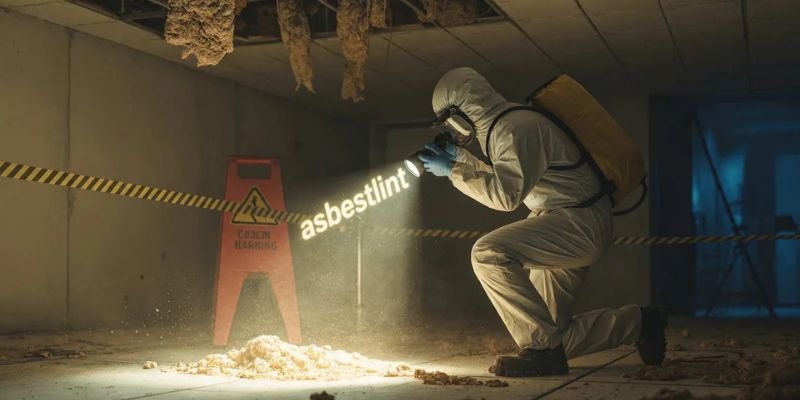
Old buildings often hide risks that people cannot see. Asbestos is one of the most serious examples. It may sit quietly inside roof sheets, pipe insulation, floor tiles, ceiling boards, cement products, or textured coatings for decades. The real danger begins when these materials break, age, crumble, or get disturbed during repair work.
AsbestLINT is a modern way to think about asbestos risk detection. It focuses on early warning, structured inspection, digital records, and smarter safety decisions. Instead of waiting for a problem to appear, it helps property owners, safety teams, and contractors understand where asbestos-containing materials may exist and how to manage them before exposure happens.
What Is AsbestLINT?
AsbestLINT can be understood as an intelligent asbestos risk detection framework. It is not a replacement for laboratory testing or certified asbestos inspection. Instead, it works as a smarter support system that helps identify possible risk areas, organize building data, and guide professional testing more accurately.
The idea is simple: every building has clues. Its age, materials, renovation history, roof type, insulation condition, moisture damage, and maintenance records can all point toward possible asbestos risk. When these clues are analyzed together, the assessment becomes more useful than random guessing.
Why Asbestos Risk Detection Matters
Asbestos was widely used because it was strong, heat-resistant, and durable. Those same qualities made it popular in construction, factories, schools, public buildings, and homes. The problem is that asbestos fibers can become dangerous when they are released into the air and inhaled.
The World Health Organization states that all forms of asbestos, including chrysotile, are carcinogenic to humans. WHO links asbestos exposure with lung cancer, laryngeal cancer, ovarian cancer, mesothelioma, and asbestosis. It also estimates that occupational asbestos exposure causes more than 200,000 deaths globally every year.
How Asbestos Becomes Dangerous
Asbestos is usually most dangerous when asbestos-containing materials are damaged or disturbed. Cutting, drilling, sanding, demolition, roof removal, and old insulation repair can release tiny fibers into the air. These fibers are not easy to see, smell, or feel, which makes the risk more serious.
The U.S. EPA explains that asbestos in good condition and left undisturbed is unlikely to present a health risk. The risk increases when damaged or disturbed materials release airborne fibers that people can breathe in.
The Human Side of Asbestos Safety
A building inspection may sound technical, but the real issue is human safety. Workers, families, tenants, students, and maintenance teams may all be affected by poor asbestos management. A small renovation job can become dangerous if people do not know what is hidden behind a wall or under old flooring.
This is why asbestos risk assessment should never be treated as paperwork only. It is about preventing exposure before someone gets sick years later. Many asbestos-related diseases take a long time to develop, so prevention must happen early.
How AsbestLINT Works as a Safety Concept
AsbestLINT works by combining building information, inspection logic, risk mapping, and documentation. A team may start by checking the age of the property, known asbestos-containing materials, past repairs, damaged areas, and upcoming renovation plans.
Then the building can be divided into risk zones. High-risk areas may need professional sampling, restricted access, specialist removal, or careful maintenance. Lower-risk areas may need monitoring and clear records. This structured method helps teams avoid panic and focus on the right places first.
Traditional Inspection vs Intelligent Detection
Traditional asbestos inspection often begins when a renovation is planned or when material damage is already visible. That approach can still work, but it may be reactive. It may also cause delays if asbestos is found after work has already started.
An intelligent asbestos detection approach is more proactive. It looks at risk before disruption begins. This saves time, protects workers, and helps project managers plan costs more realistically. It also supports better building safety because decisions are based on organized evidence, not last-minute assumptions.
The Role of AI in Asbestos Detection
AI is becoming useful in environmental safety because it can study images, patterns, and building data quickly. In asbestos detection, AI may help review roof images, material photos, building records, or inspection data to highlight possible risk areas.
Research published in the Journal of Hazardous Materials described a smartphone-based image recognition system trained with thousands of images from asbestos cement sheet samples. The study reported that the system identified asbestos distinctiveness correctly 90% of the time in practical cement sheet applications.
AI Is Helpful, But Not Enough Alone
AI can support asbestos screening, but it should not be treated as final proof. A camera image, app, or digital model cannot always confirm whether a material contains asbestos. Certified sampling and laboratory analysis may still be needed.
This is where AsbestLINT becomes practical. It does not ask people to trust technology blindly. It uses digital tools to improve decision-making, then guides the right professional action at the right time.
Roofs, Aerial Images, and Large-Scale Detection
Asbestos roofs are a major concern in many older areas. Inspecting every roof manually can be slow, expensive, and risky. AI-based image detection can help cities and property managers identify likely asbestos cement roofs faster.
Researchers at the Universitat Oberta de Catalunya developed a computer vision system that uses aerial photographs to detect asbestos in roofs. The system used common RGB images and showed over 80% accuracy, making it more scalable because these images are widely available.
Why Documentation Matters
Good asbestos management depends on clear records. A building owner should know which areas were inspected, what materials were found, who checked them, what action was taken, and when the next review is needed.
Poor records create confusion. A new contractor may drill into old material without knowing the risk. A facility manager may forget that a room was marked for special handling. Asbestos compliance becomes much stronger when every decision is documented.
Workplace Safety and Legal Responsibility
Asbestos is not only a property issue. It is also an occupational health issue. Construction workers, demolition crews, maintenance staff, electricians, plumbers, and roofers may face exposure if asbestos risks are ignored.
OSHA states that asbestos can cause lung cancer, mesothelioma, and other diseases. OSHA also notes that worker exposure is addressed through standards for construction, general industry, and shipyard sectors, including monitoring, training, and controls where exposure may occur.
AsbestLINT for Renovation Projects
Renovation is one of the riskiest times for asbestos exposure. A wall may look normal from outside, but old insulation, adhesive, cement board, or floor backing can contain hazardous fibers. Once workers start breaking material, the situation can change quickly.
Using AsbestLINT before renovation helps teams slow down at the right stage. They can check suspicious materials, plan safe access, bring in licensed professionals, and avoid exposing workers or occupants. This is especially important for schools, offices, hospitals, factories, and older residential buildings.
AsbestLINT for Demolition Planning
Demolition creates a higher risk because materials are broken at scale. Dust, debris, and airborne particles can spread quickly if the site is not controlled. A proper asbestos survey should happen before demolition begins.
An intelligent framework helps project teams build a safer plan. It can mark possible asbestos zones, separate clean and restricted areas, schedule specialist removal, and reduce surprise discoveries. This protects workers and also prevents costly shutdowns.
Benefits for Property Owners
Property owners often worry that asbestos inspection will create extra cost. In reality, early detection can prevent bigger expenses later. Emergency remediation, project delays, legal disputes, and tenant safety issues can cost far more than planned inspection.
A structured approach also builds trust. Tenants, buyers, and contractors feel safer when a property has clear environmental safety records. This is especially useful for commercial buildings, rental properties, warehouses, and public facilities.
Benefits for Facility Managers
Facility managers deal with daily building problems. They must handle repairs, contractors, safety rules, budgets, and occupant concerns. Asbestos risk makes their job harder when information is scattered or missing.
AsbestLINT supports better facility management by turning hidden risks into organized data. Teams can see which areas need caution, which materials are stable, and which spaces require professional review before maintenance work begins.
How It Supports Digital Transformation
Modern safety management is becoming more digital. Building teams now use cloud records, inspection apps, sensors, AI tools, and automated reminders. This shift makes asbestos risk easier to track over time.
For businesses, this connects with business innovation and digital transformation. Safety is no longer just a clipboard task. It can become a smarter system that improves planning, accountability, and long-term building care.
LSI Keywords That Fit This Topic Naturally
Important related terms include asbestos risk detection, asbestos inspection, asbestos-containing materials, asbestos exposure, workplace safety, environmental safety, building safety, hazardous materials, renovation safety, demolition planning, air quality monitoring, occupational health, and asbestos compliance.
These terms help search engines understand the topic better, but they should be used naturally. The article should still feel written for people first. Nobody wants to read a safety guide that sounds like a machine stuffed it with keywords.
Common Signs That a Building May Need Review
Older buildings deserve extra care, especially if they were built or renovated during a period when asbestos was common. Warning signs may include damaged pipe insulation, old cement roofing, cracked vinyl tiles, crumbling ceiling material, aging boiler insulation, and unknown boards around heat-resistant areas.
However, visual signs are not enough to confirm asbestos. Many materials look similar. The safest step is to stop disturbing the material and contact a qualified asbestos professional for proper advice.
Why “Do Not Disturb” Is Often the First Rule
When people suspect asbestos, their first reaction may be to remove it quickly. That can be dangerous. Disturbing the material without training and controls can release more fibers into the air.
In many cases, stable asbestos-containing material may be safer when managed in place rather than removed immediately. The right decision depends on condition, location, exposure risk, local rules, and professional assessment.
Technology and Human Expertise Must Work Together
The future of asbestos safety will not depend on humans alone or machines alone. The best results will come from both. AI can scan images, detect patterns, and flag risk faster. Humans can understand context, apply regulations, collect samples safely, and make final decisions.
This balanced approach also connects with advanced technology transforming industries, where smart tools improve traditional work without removing the need for skilled professionals.
Limitations of Intelligent Detection
No intelligent system is perfect. AI may miss hidden asbestos behind walls, under floors, or inside sealed areas. It may also misread materials that look similar in images. Poor data can also lead to weak results.
That is why AsbestLINT should be used as a support framework, not a final legal certificate. Certified inspection, laboratory testing, and local asbestos regulations must always guide serious decisions.
Who Can Use AsbestLINT?
This concept can help property owners, landlords, facility managers, construction companies, demolition contractors, school administrators, safety officers, and environmental consultants. It is especially useful for people managing older buildings or planning repairs.
Homeowners can also benefit from the idea. Before removing old tiles, replacing insulation, repairing ceilings, or disturbing unknown boards, they should think about possible asbestos exposure and seek professional guidance.
The Future of Asbestos Risk Management
As buildings age, asbestos management will remain important for decades. Many countries have banned or restricted asbestos, but older materials are still present in homes, factories, offices, schools, and public infrastructure.
Future systems may combine AI image scanning, digital building passports, maintenance history, sensor data, and professional inspection reports. This could make asbestos risk detection faster, clearer, and more preventive.
Conclusion
AsbestLINT represents a smarter way to think about asbestos risk detection. It combines early assessment, organized records, intelligent technology, professional inspection, and safety-first planning.
The main goal is not to create fear. The goal is to prevent exposure before damage happens. When property owners and safety teams understand where asbestos-containing materials may exist, they can protect workers, families, tenants, and communities with better decisions.
FAQs
What is AsbestLINT?
AsbestLINT is an intelligent asbestos risk detection concept that supports early assessment, documentation, and safer decision-making for buildings that may contain asbestos.
Does AsbestLINT replace asbestos testing?
No. It does not replace certified asbestos inspection or laboratory testing. It helps identify possible risk areas so professional testing can be more targeted.
Why is asbestos dangerous?
Asbestos becomes dangerous when fibers become airborne and are inhaled. Exposure is linked with serious diseases such as lung cancer, mesothelioma, and asbestosis.
Where is asbestos usually found?
It may be found in old roof sheets, pipe insulation, floor tiles, ceiling materials, cement boards, textured coatings, and some older heat-resistant products.
Who should use this type of risk detection?
Property owners, facility managers, contractors, landlords, safety officers, and homeowners can use this approach before renovation, demolition, or maintenance work.
Written by
MagStories Editorial Team
UK News, Celebrity, Technology, Sport & Lifestyle
View all articles by the team →