



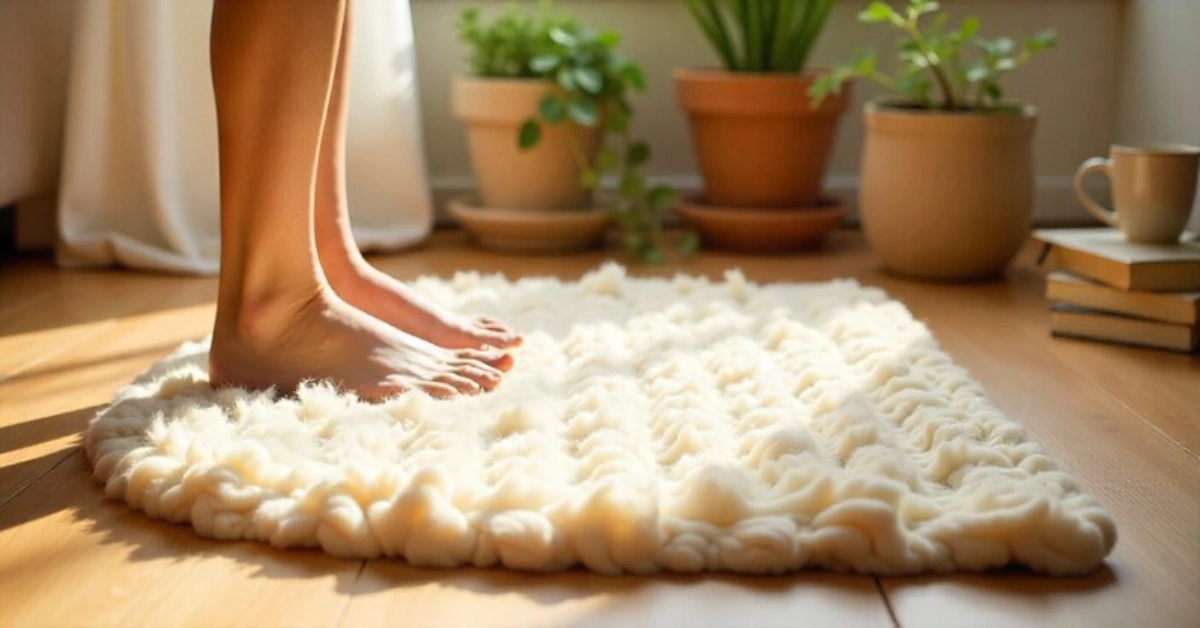
One of the biggest mistakes people make with wollmatten is assuming they should be cared for like ordinary washable mats. That usually leads to one of two problems. Either the mat gets ignored because the owner is afraid of damaging it, or it gets over-cleaned with the wrong methods and slowly loses the qualities that made it attractive in the first place. The truth sits in the middle: wool mats are not high drama, but they do need the right kind of care.
That is good news, because the right kind of care is usually simple. Wool does not always need heavy washing. In fact, one of wool’s main advantages is that it often stays fresher with regular light maintenance than people expect. Woolmark’s care guidance emphasizes that wool is naturally stain resistant and odour resistant and generally requires less washing than many other fibres. Wool-mat-specific care pages also stress airing, shaking out, and gentle cleaning before anything more aggressive. If you are new to the topic, read this guide on what is wollmatten to understand why wool mats are chosen for comfort, warmth, and natural texture.
This article explains how to care for wollmatten properly, what to do after spills, what to avoid, and how to extend the life of a wool mat without overcomplicating the process.
Start with the Simplest Rule: Clean Less, Refresh More
The first mindset shift is important. Wool often benefits more from regular refreshing than from frequent washing. That means airing the mat, shaking it out, and removing surface dirt before it builds up. Several wool-care sources recommend ventilation and gentle dust removal as the first line of care, not repeated soaking or harsh scrubbing.
This is one reason people often enjoy wool once they understand it. It does not always demand full cleaning sessions. In many cases, what it needs most is consistency: air, light dust removal, and quick attention to spills.
Airing Out Wollmatten Matters More Than Many People Think
Airing is one of the most effective maintenance habits for wool. Fresh air helps reduce odours and release trapped moisture without putting stress on the fibres. Some wool-care guidance specifically recommends airing wool products regularly, even overnight or in slightly moist outdoor air, to refresh them naturally.
For a floor mat, that does not mean leaving it out in harsh weather or direct strong sun all day. It simply means giving it time to breathe. If the mat is portable, take it outside occasionally, hang or drape it securely, and let air do part of the work. This is especially helpful after heavy room use or if the mat has picked up indoor odours.
Vacuuming: Gentle Is Better
Vacuuming is useful, but technique matters.
The competitor article recommends weekly vacuuming on a low-suction setting without a beater bar, and that is sensible. Wool-specific care pages also advise gentle dust removal and warn against overly aggressive treatment. Wool fibres do not respond well to rough, repetitive mechanical stress.
For most wollmatten, the best approach is:
- use low or moderate suction
- avoid a rotating beater brush if possible
- vacuum with the direction of the pile when relevant
- do not overdo it
If the mat is shedding slightly at the beginning, do not panic. Some natural fibre release can happen early on, especially with newer wool products. Gentle vacuuming usually helps it settle.
Shake, Brush, and Rotate
Not every cleaning step has to involve a machine. Wool mat care pages suggest occasional shaking or beating out the dust, because dirt can settle deep into the wool pile. A light brush for dry debris can also help in some cases, especially before vacuuming.
Rotation is another simple habit that extends life. If the mat sits in a room with one dominant traffic path or one side exposed to more light and pressure, rotate it every few months. That spreads wear more evenly and helps preserve its look.
What to Do When Something Spills
Spills are where good care habits matter most.
The first rule is to act quickly. The second rule is not to scrub. The competitor article says to blot immediately and avoid scrubbing, and that lines up with general wool-care logic. Scrubbing pushes moisture and dirt deeper into the fibres and can distort the surface.
A simple spill routine looks like this:
- blot with a clean, absorbent cloth
- do not rub
- remove as much liquid as possible first
- if needed, dab with a small amount of wool-safe cleaning solution or water, depending on the manufacturer’s guidance
- blot again
- let the area dry thoroughly
The real danger is over-wetting the mat while trying to clean it. Wool can absorb moisture and dry slowly, so restraint matters.
Should You Wash Wollmatten?
Sometimes, but not casually.
Some wool mat care pages suggest hand washing or controlled gentle washing when needed, but they also emphasize caution and following the product’s specific care instructions. Bausinger’s wool-mat guidance points toward gentle treatment, and Woolmark repeatedly stresses using appropriate wool care rather than aggressive standard washing.
The safest general rule is:
- do not machine wash unless the maker clearly says you can
- use wool-safe products only
- avoid hot water
- avoid twisting, scrubbing, or heavy soaking
- dry thoroughly and carefully
If the mat is a larger floor piece or a premium product, professional cleaning is often the safest deep-clean route. If you are comparing upkeep before buying, this article on wollmatten vs synthetic mats explains how wool differs from lower-maintenance alternatives.
What Not to Use on Wollmatten
People often do more damage with the wrong cleaner than with the original stain.
Avoid:
- harsh household detergents
- bleach
- strong stain removers not designed for wool
- rough scrubbing tools
- very hot water
- over-saturation
The reason is simple. Wool is durable, but it is still a natural animal fibre. It prefers gentler chemistry and lower-stress treatment.
How to Deal with Odours
Odours usually do not require panic cleaning. Because wool is naturally odour resistant, the first response should often be ventilation, not chemical spraying. Airing out the mat and making sure it is fully dry after use or spot cleaning solves many minor smell issues.
If odours persist, the likely issue is trapped moisture, poor airflow, or a spill residue left in the fibres. In that case, a careful targeted cleaning of the affected spot is better than soaking the whole mat.
Storage Tips for Wollmatten
If you need to store a wool mat, clean it lightly first and make sure it is completely dry. Then roll it rather than folding it if possible, and keep it in a dry, ventilated place. Avoid storing it in damp basements, compressed plastic without airflow, or spaces where pests are likely to be a problem.
This matters because poor storage can undo otherwise good care. A mat that spends months slightly damp or tightly compressed can come back smelling stale or looking uneven.
How Often Should You Deep Clean?
There is no perfect universal schedule. It depends on room use, pets, household traffic, and whether shoes are worn indoors. For most homes, regular light care does most of the work. Deep cleaning should happen only when it is genuinely needed, not because the calendar says so.
That is one of the biggest differences between wollmatten and easy-wash synthetics. Wool rewards thoughtful maintenance, not constant intervention.
Signs Your Wollmatte Needs Attention
Watch for:
- visible dust buildup in the pile
- lingering odour that does not improve with airing
- flattened areas from uneven wear
- sticky spots from old spills
- dampness that lasts too long after cleaning
These signs do not necessarily mean the mat is failing. They usually mean it needs a smarter maintenance reset.
The Best Long-Term Care Strategy
The most effective strategy is simple:
- air it regularly
- vacuum gently
- treat spills fast
- avoid over-wetting
- rotate occasionally
- deep clean cautiously
That routine protects both the look and feel of the wool. More importantly, it preserves the reason most people buy wool in the first place: comfort that still feels good after real use.
Conclusion
Caring for wollmatten does not have to be complicated. The key is to stop thinking in terms of aggressive cleaning and start thinking in terms of fibre-friendly maintenance. Wool usually responds best to fresh air, gentle vacuuming, quick spill response, and restraint.
If you respect the material, wool mats can stay soft, fresh, and attractive for years. That is the real secret. Good care is not about doing more. It is about doing the right things early and doing them gently.
FAQs
How often should I vacuum wollmatten?
Usually once a week or as needed, using gentle suction and ideally without a beater bar.
Can I wash wollmatten in a machine?
Only if the manufacturer specifically allows it. Many wool mats do better with gentle hand care or professional cleaning.
What should I do after a spill?
Blot immediately, do not scrub, and avoid soaking the fibres.
Do wollmatten need regular airing?
Yes. Airing is one of the easiest and most effective ways to refresh wool naturally.
Can over-cleaning damage wollmatten?
Yes. Too much moisture, harsh chemicals, and aggressive scrubbing can all shorten the life of a wool mat.