



Introduction
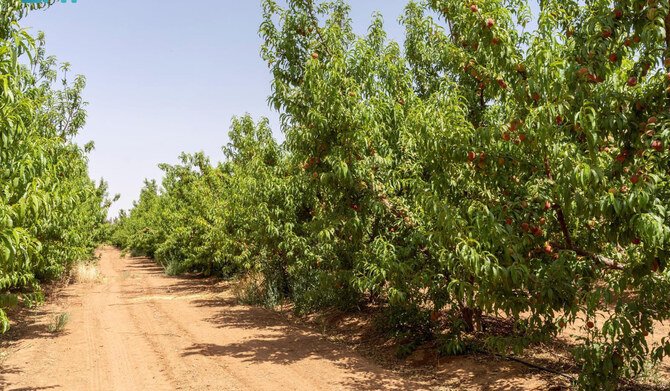
Jable is a unique type of sandy soil found in deserts, coastal dunes, and semi-arid regions. While often associated with geography and landscape formation, it also plays a crucial role in agriculture. Its natural properties such as drainage, grain size, and mineral content make it both challenging and beneficial for farming.
Farmers in arid regions have adapted to these soils for centuries, using techniques that maximize fertility, retain moisture, and support crops suitable for sandy terrain. Understanding jable in agriculture requires looking at soil science, crop suitability, irrigation, and land management practices.
Properties of Jable Soil
Jable soils have unique characteristics:
-
Texture: Fine to medium sand, loose and porous.
-
Drainage: Excellent drainage, but poor water retention—requires careful irrigation.
-
Nutrient Content: Often low in nitrogen and organic matter.
-
pH Levels: Slightly alkaline in coastal regions, neutral to slightly acidic in inland deserts.
These properties influence which crops can thrive and dictate soil management strategies.
Agricultural Uses of Jable
1. Crop Cultivation
Certain crops naturally thrive in sandy soils with jable:
-
Date Palms: Excellent drainage supports root health.
-
Root Vegetables: Carrots, radishes, and beets grow well with jable’s loose texture.
-
Citrus and Olives: In Mediterranean jable soils, these crops are traditional.
2. Soil Management Techniques
Farmers often modify jable to improve fertility:
-
Blending: Mixing jable with clay, loam, or organic matter to increase water and nutrient retention.
-
Mulching: Reduces evaporation and retains moisture.
-
Crop Rotation: Maintains soil health and prevents nutrient depletion.
Practical Example:
-
In the Middle East, date palm plantations use compost and irrigation techniques to optimize sandy jable soil.
3. Irrigation Practices
Because jable drains quickly, water management is essential:
-
Drip Irrigation: Conserves water while delivering nutrients directly to roots.
-
Soil Moisture Monitoring: Prevents over- or under-watering.
-
Water Retention Amendments: Organic matter or clay added to improve water holding.
Environmental Considerations
Using jable soils for agriculture also has environmental impacts:
-
Erosion Risk: Loose sandy soils can be blown away by wind.
-
Desertification Prevention: Maintaining vegetation cover prevents land degradation.
-
Sustainable Farming: Crop selection and irrigation planning minimize soil depletion.
Tip: Integrating knowledge from geography of jable helps farmers plan sustainable land use.
Global Examples
Middle East
-
Date palms and root vegetables are grown in jable-rich soils with modern irrigation.
Spain & North Africa
-
Coastal jable dunes are managed for small-scale agriculture and ecological conservation.
North Africa & Sahara Edge
-
Blending jable with other soils allows cereal and vegetable production in semi-arid zones.
Cultural and Practical Significance
-
In arid communities, understanding jable is key for survival and farming success.
-
Traditional knowledge includes soil blending, crop rotation, and irrigation practices passed through generations.
-
Modern agriculture combines scientific methods with traditional insights to maximize productivity in sandy jable soils.
FAQs
-
What crops grow best in jable soils?
-
Date palms, root vegetables, olives, and citrus.
-
-
Can jable soil be improved for farming?
-
Yes, by blending with clay or organic matter, mulching, and using proper irrigation.
-
-
Where is jable used agriculturally?
-
Middle East, Spain, North Africa, and semi-arid desert regions.
-
-
Why is water management important in jable soils?
-
Jable drains quickly, so irrigation must be precise to maintain crop health.
-
-
Where can I learn about jable in nature and culture?
-
See our Hub Page: Jable Meaning Uses and Cultural Importance
-
See natural landscapes: Jable in Geography
-
Conclusion
Jable soils, despite being sandy and nutrient-poor, have immense agricultural potential when managed correctly. Through blending, irrigation, crop rotation, and soil amendments, farmers can cultivate crops ranging from date palms to root vegetables.
By connecting agriculture with geographical knowledge and traditional practices, jable demonstrates how humans adapt to challenging landscapes while maintaining ecological balance.